Restoration of Donald Judd's Artillery Sheds, Marfa, TX, USA
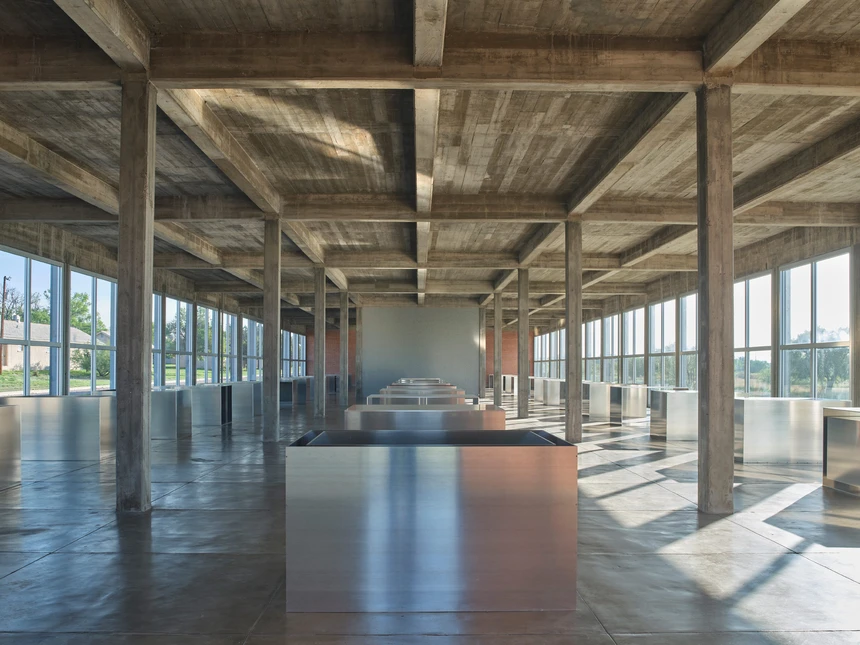
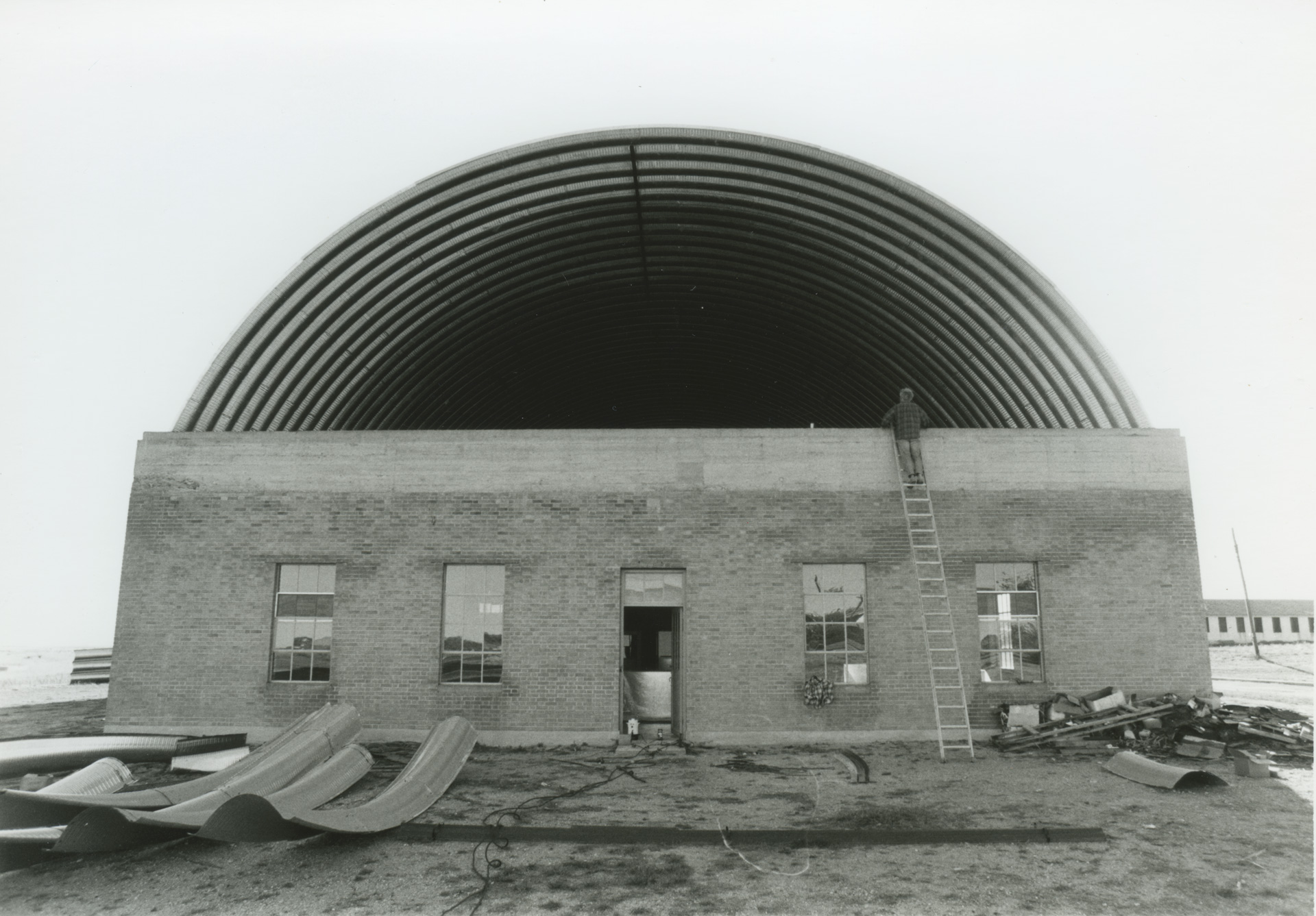
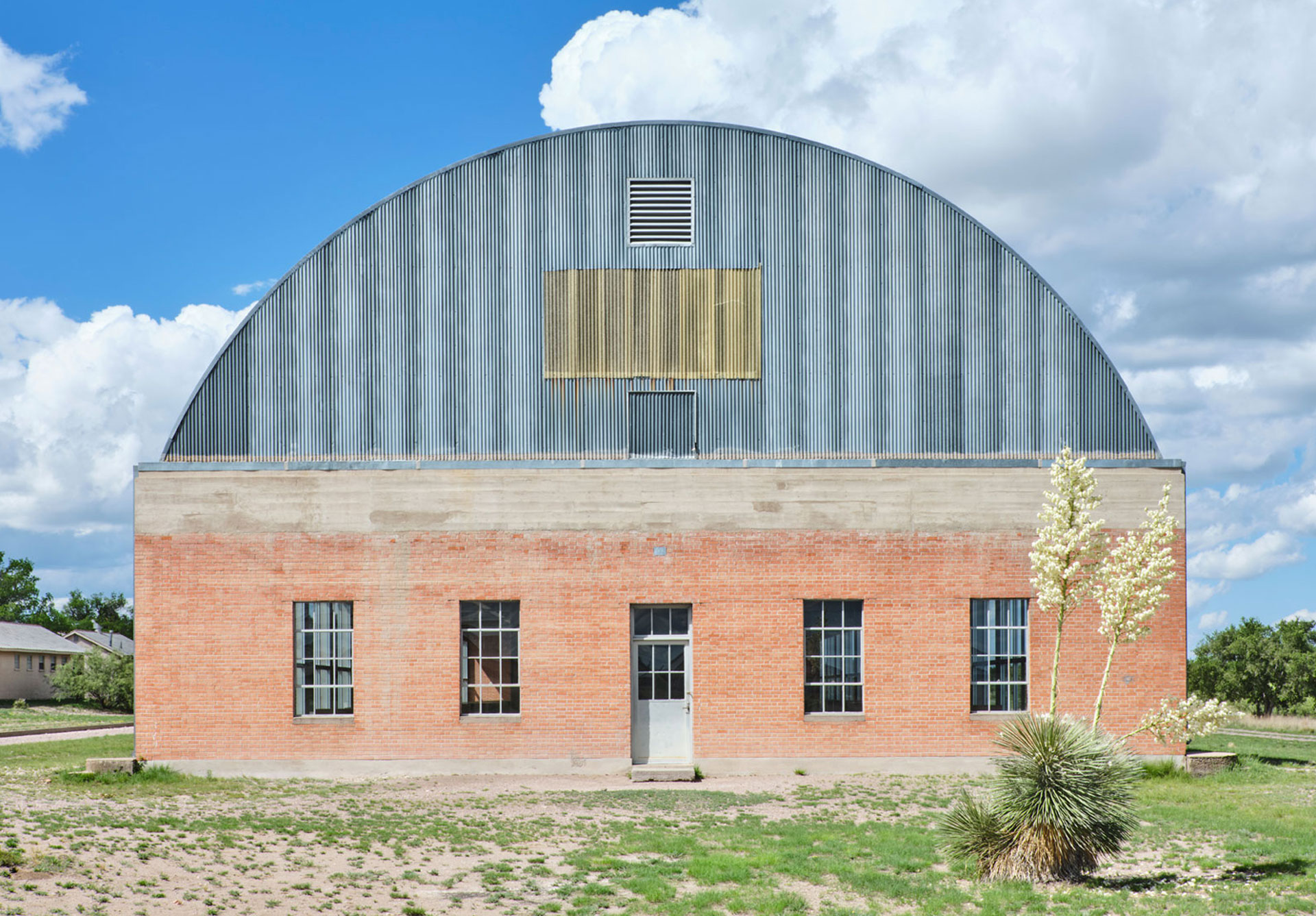
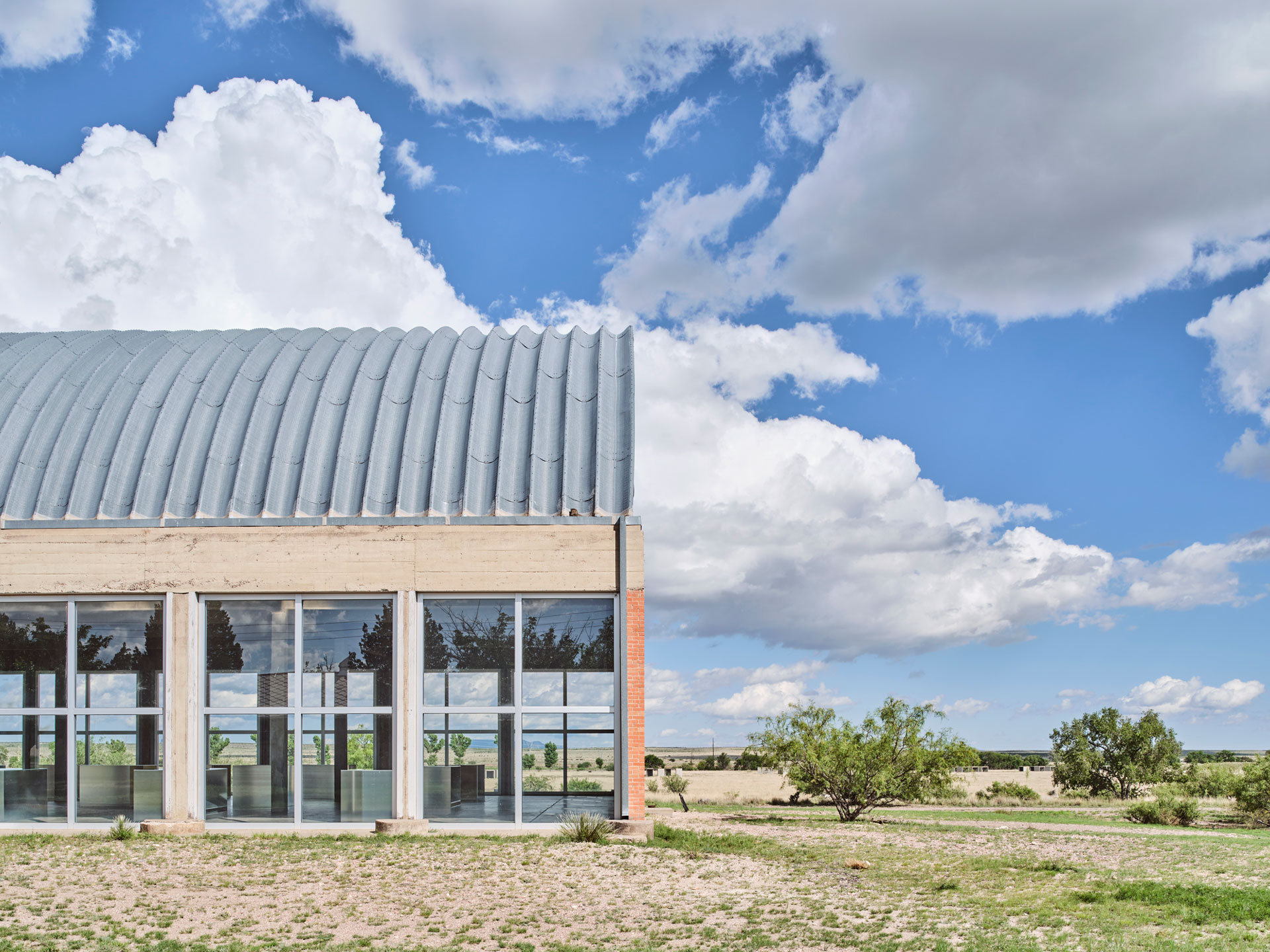
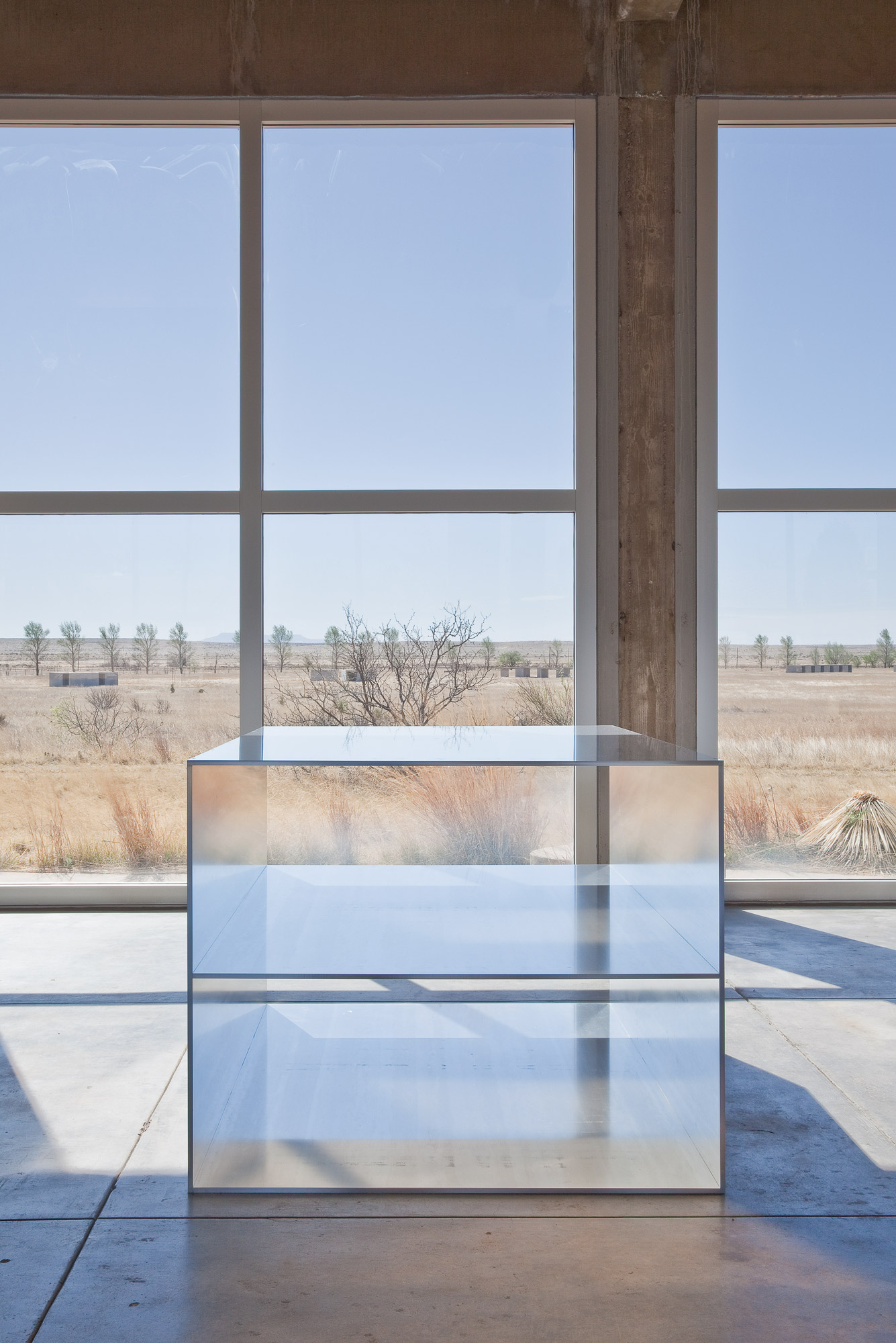
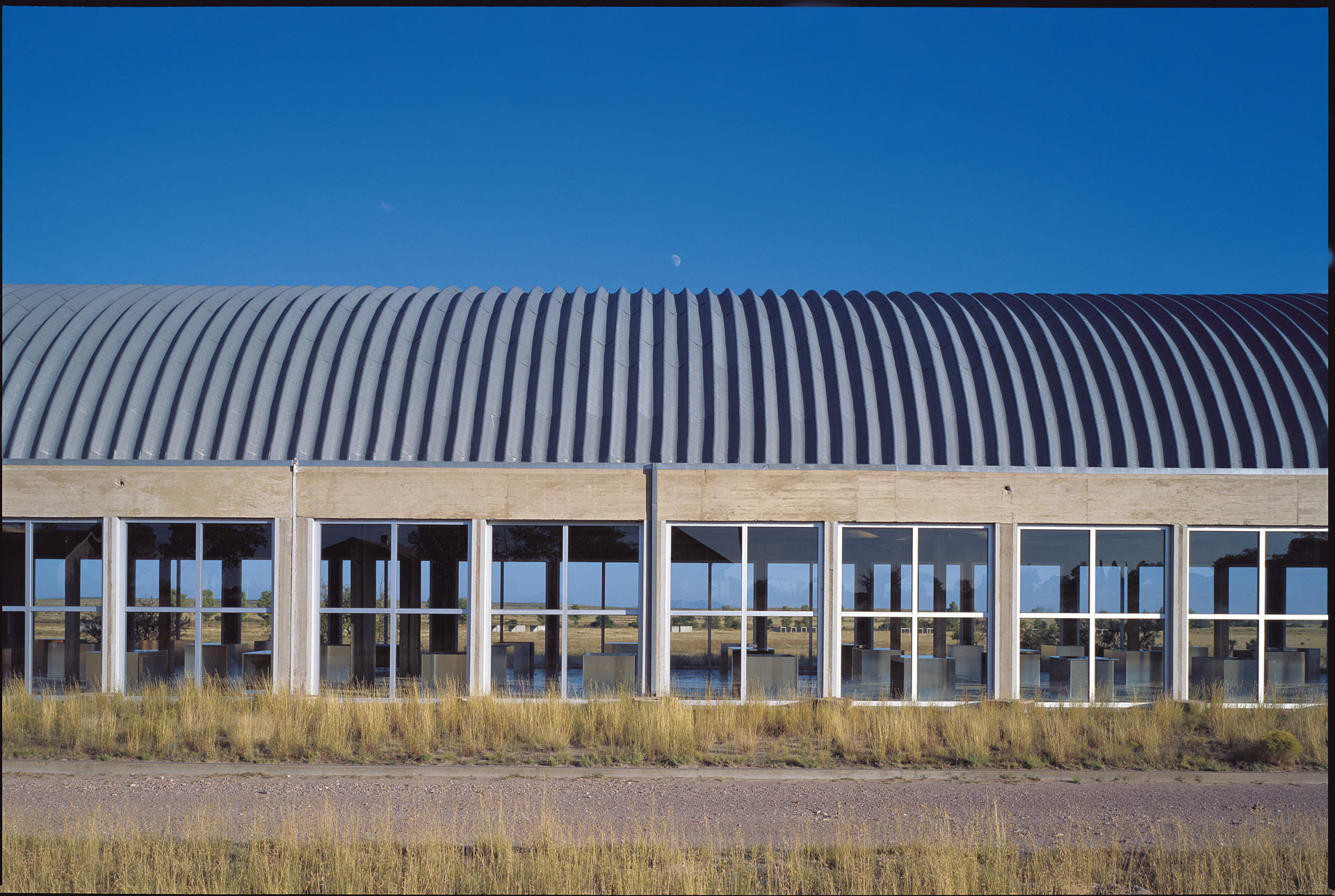
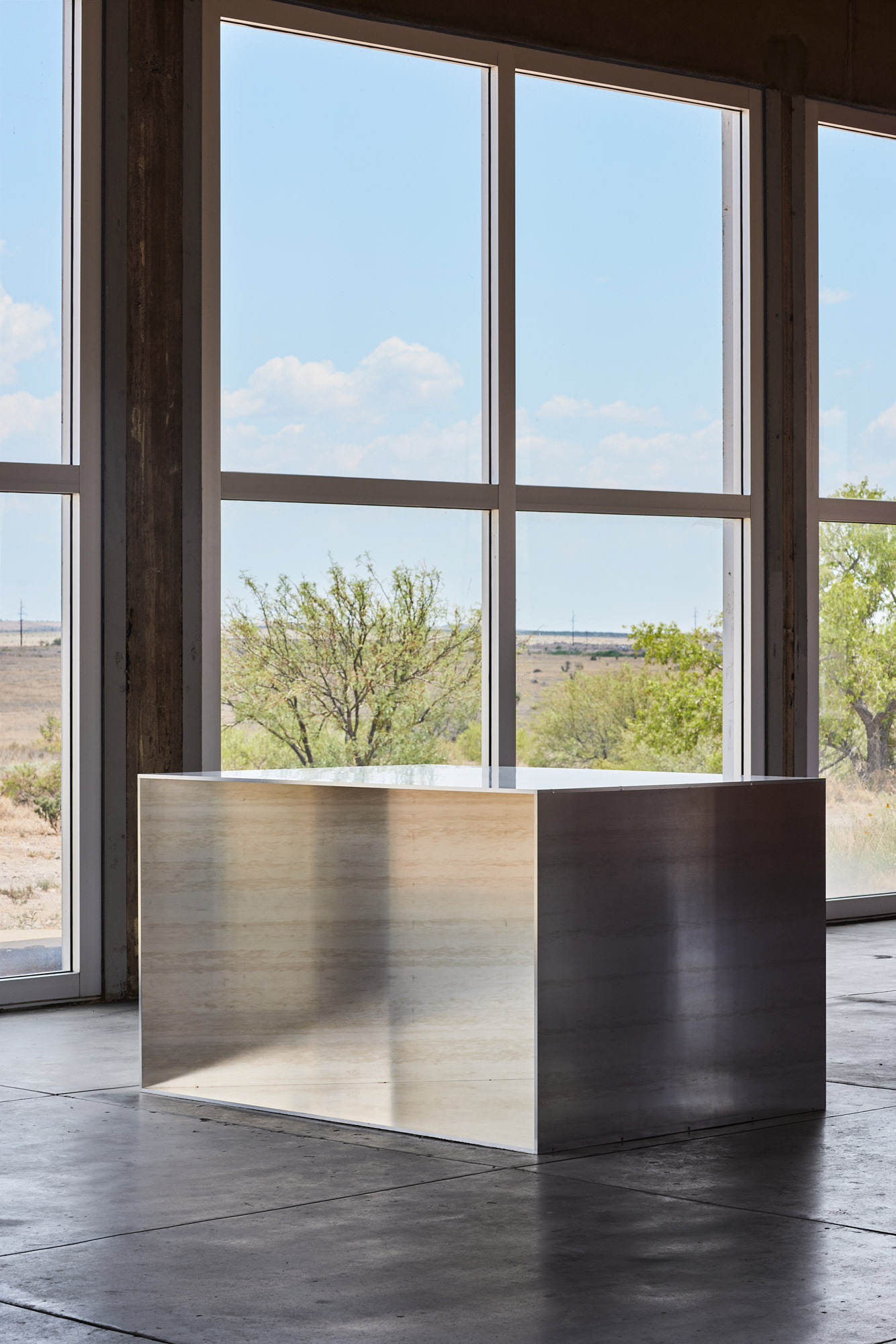
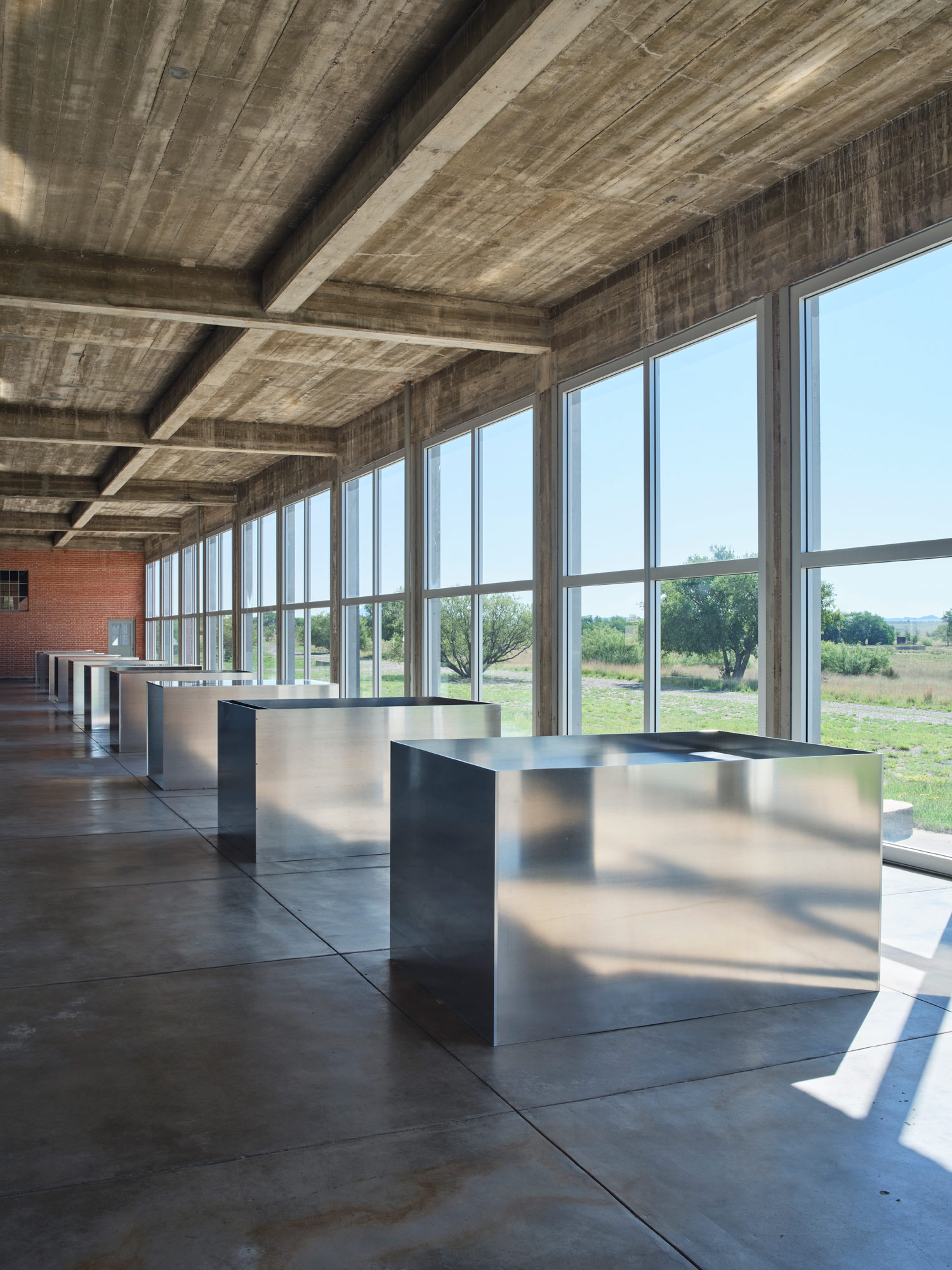
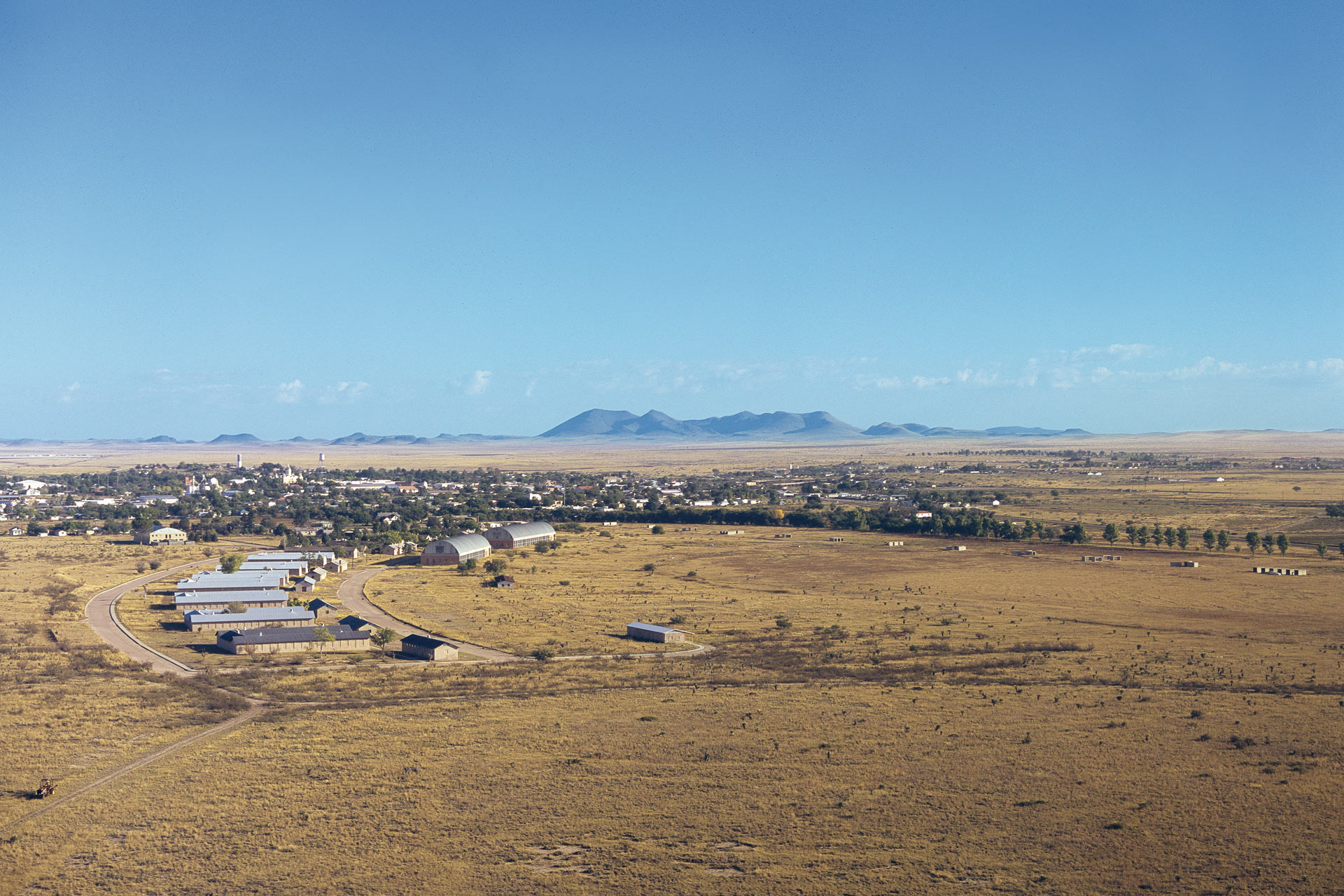
The Chinati Foundation/La Fundación Chinati is restoring the buildings that house Donald Judd’s permanent installation “100 untitled works in mill aluminum” — one of the most important works of 20th-century art in the U.S. In the 1980s, Judd repurposed two former military buildings in Marfa, Texas, for the installation. Transsolar helped develop restoration options for the artillery sheds, evaluating alternative comfort strategies and an approach to dust protection.
While the restoration’s main goal is to solve roof leaks, the Chinati Foundation also wanted to explore how to solve the heat inside the buildings – which are single glazed, uninsulated, and unventilated. This results in harsh indoor summer temperatures that are unsuitable for visitors and the works themselves. Plus, dust from the Chihuahuan Desert threatened to damage the delicate unfinished aluminum.
Transsolar explored a variety of solutions with a range of interventions, always with a focus on ‘light touch’ that preserves Judd’s original intent for the space. The most exciting was the possibility of adding invisible radiant cooling on the upper surface of the overhead ‘attic’ slab, cooled by geothermal boreholes. This would add silent, invisible cooling that dramatically reduces temperatures.
An existing expansion joint provided a gap leading to the attic which could be used to add ventilation. Adding positive pressure, filtered ventilation through this gap reduces the most extreme temperatures and protects the boxes from dust. This lower-cost solution will be implemented in the restoration beginning in 2027, after the artwork is temporarily relocated.
Beyond its work for the Chinati Foundation, Transsolar has also contributed to projects for the Judd Foundation. For the Judd Foundation's Architecture Office, we provided a peer review of passive design and energy efficiency strategies. This informed revisions to the glazing specification, insulation approach, and the integration of rooftop photovoltaics.