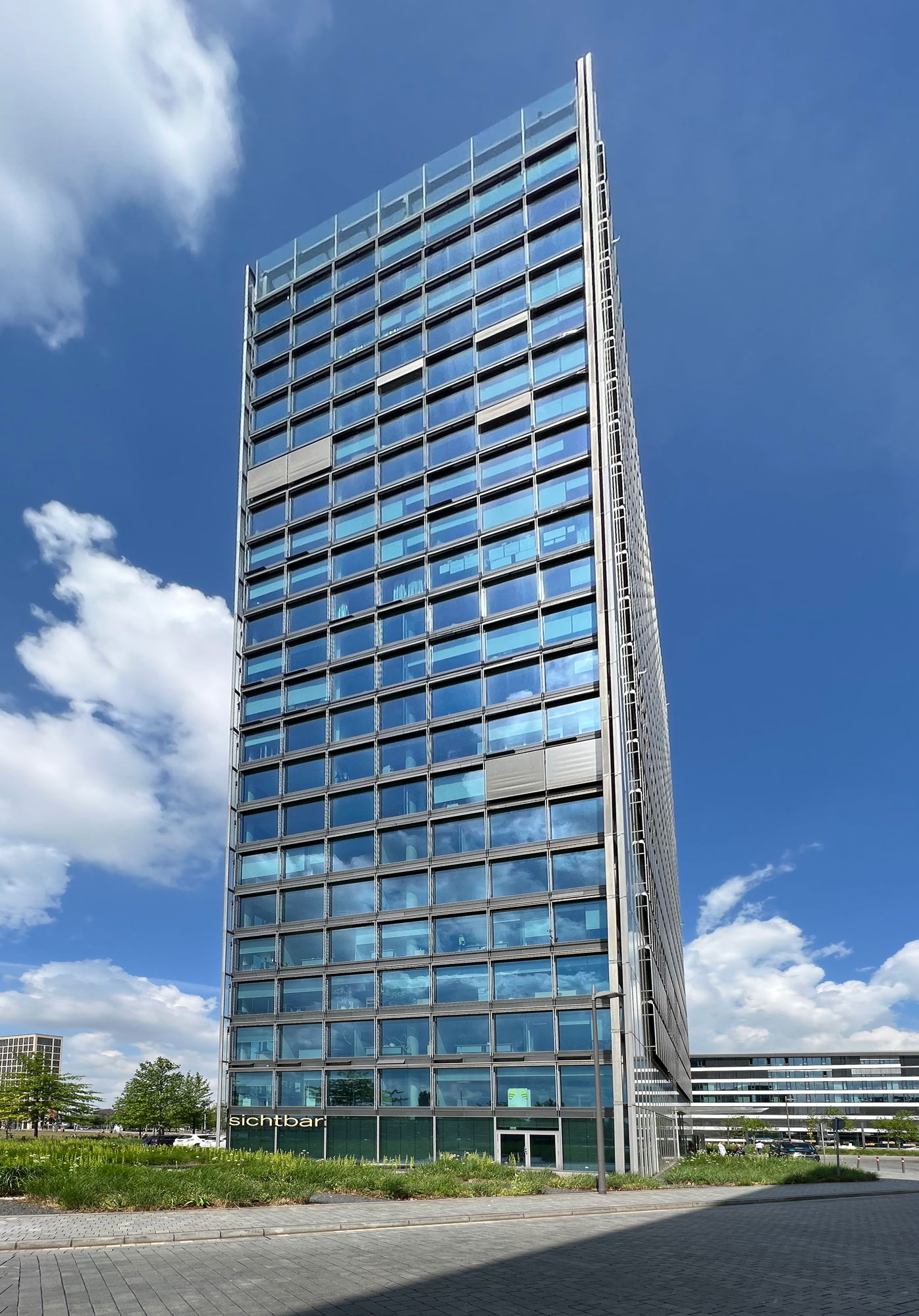
Short-Term Monitoring and Renovation of the Wesertower's South Facade, Bremen, Germany
The Wesertower in Bremen exemplifies the challenges posed by south-facing office buildings with extensive glazing: High-quality daylight often goes hand in hand with increased solar heat gain and rising cooling energy demands. The goal of the project was to sustainably improve thermal comfort while simultaneously reducing energy consumption.
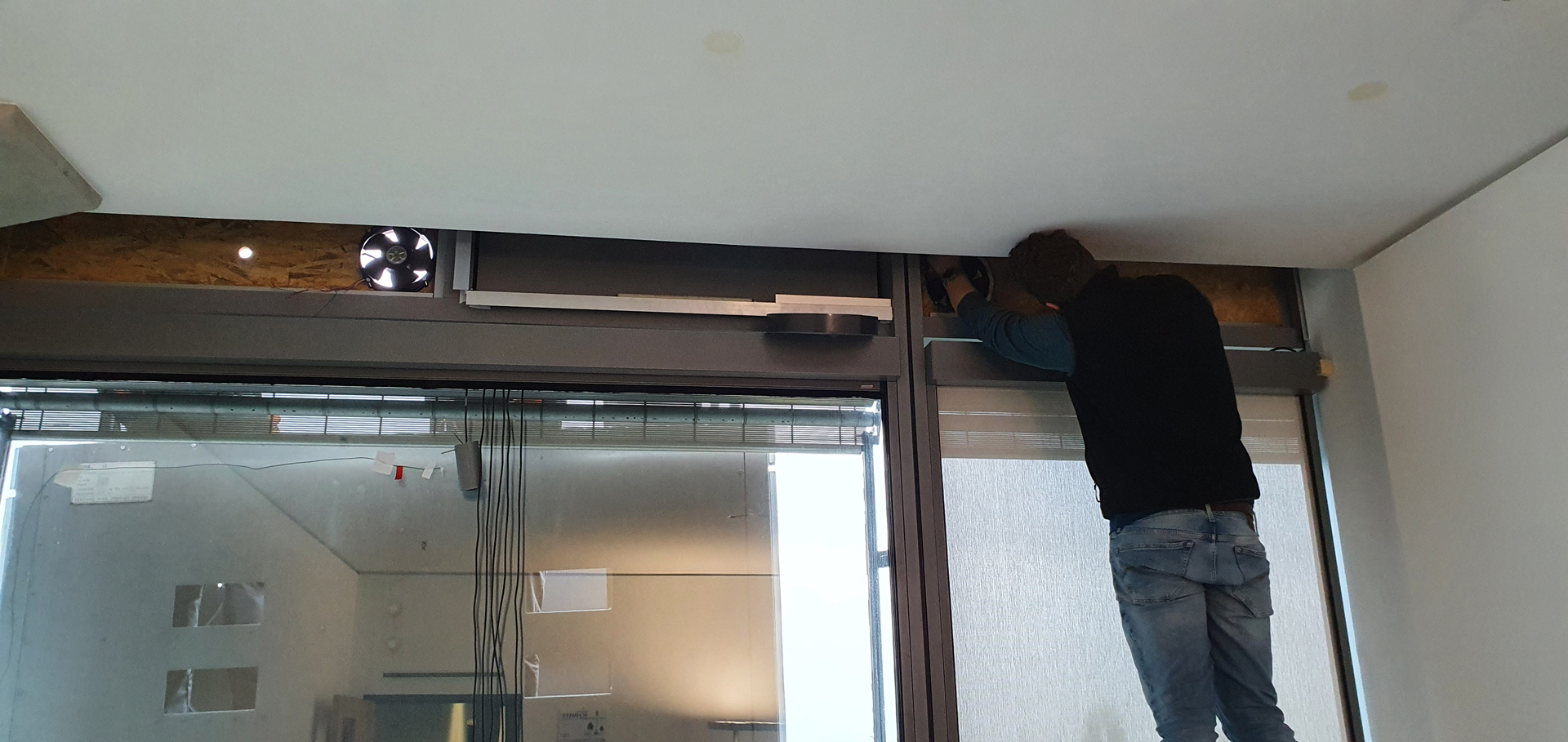
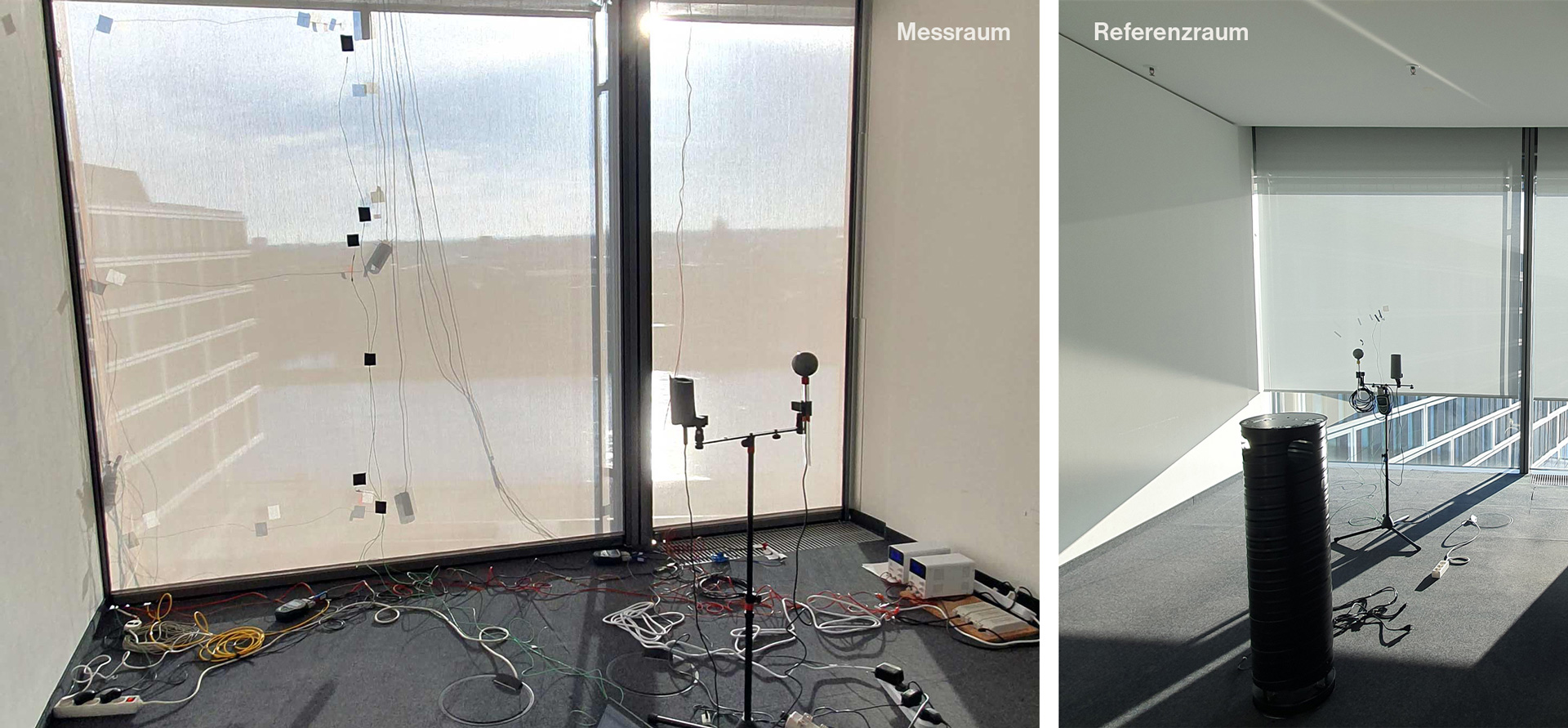
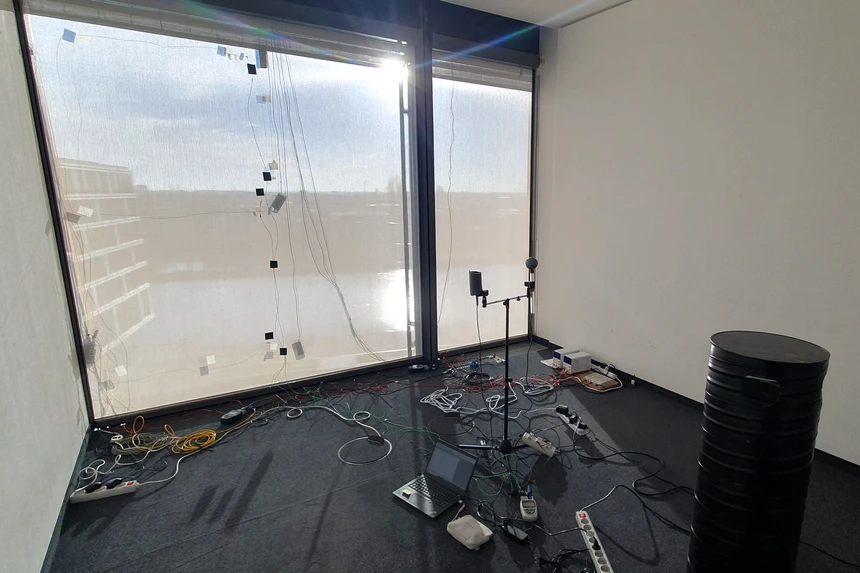
As part of a short-term measurement study, Transsolar investigated the effect of a hybrid ACT façade on the building’s south-facing façade. A measurement room on the 6th floor was equipped with the new façade solution and compared to an identical reference room with existing interior sunshades. Both rooms have identical floor areas, façade proportions, and orientations. The measurement period ran from early December 2022 to early March 2023 and included both winter conditions and periods of high solar radiation.
The initial situation was characterized by external sunshades that were out of service and internal glare protection serving as a temporary solution. This led to significant overheating of the south-facing rooms, particularly when the sun was low in the sky, as well as high cooling energy requirements. The ACT facade combines solar heat protection with decentralized ventilation, thereby reducing solar loads while ensuring controlled air exchange.
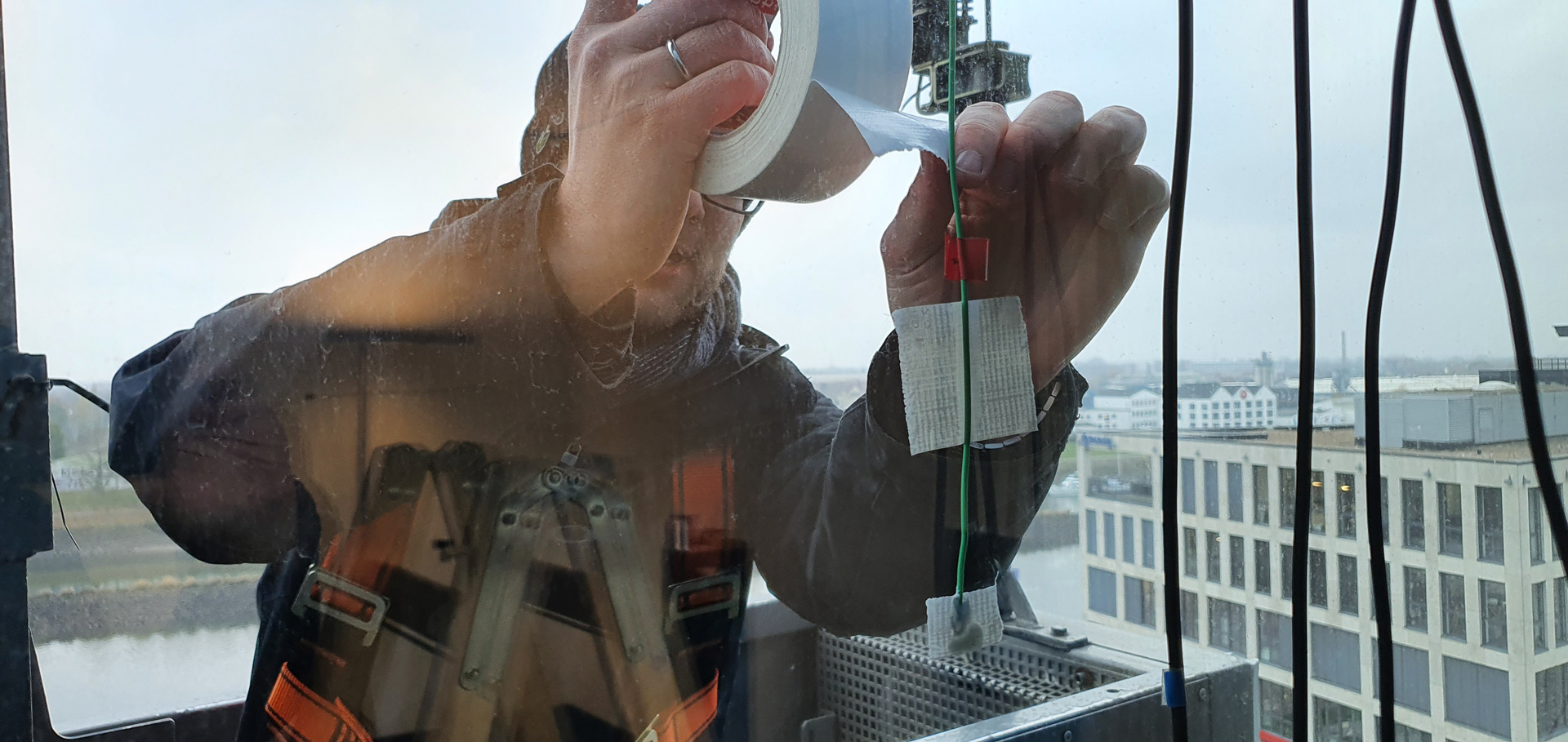
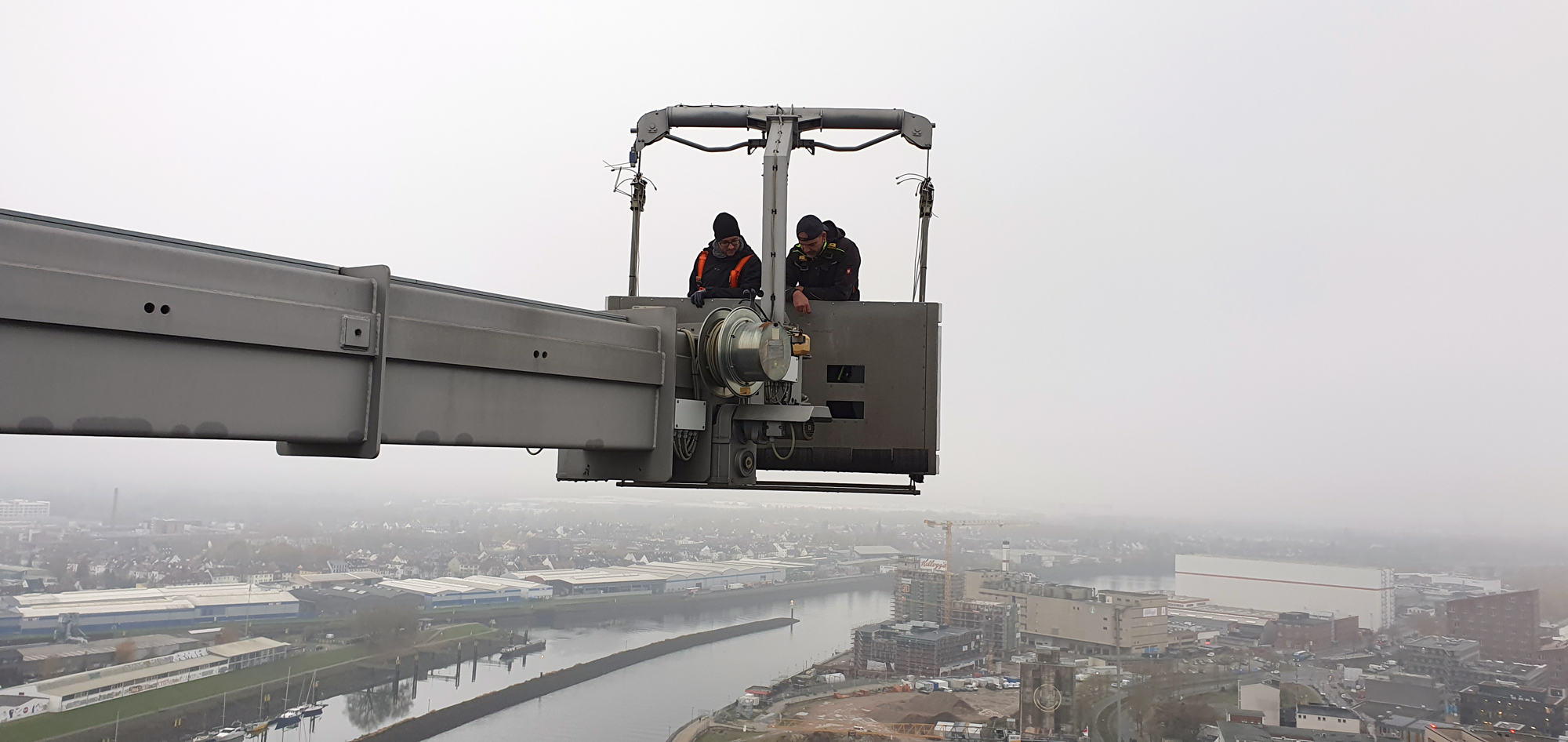
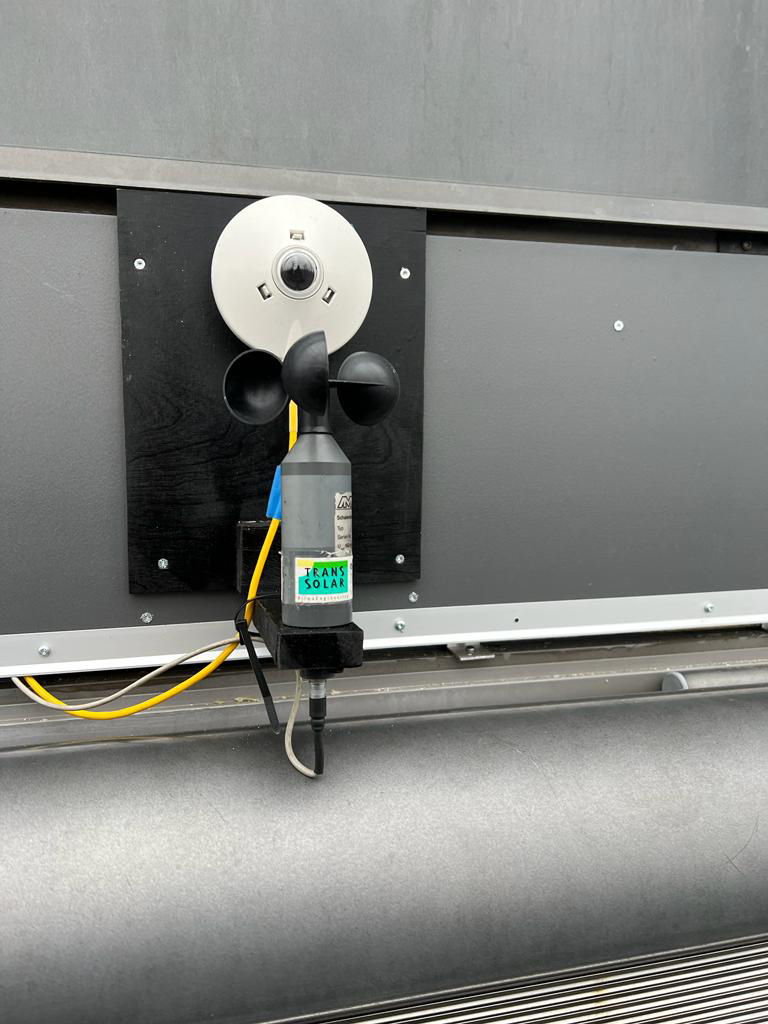
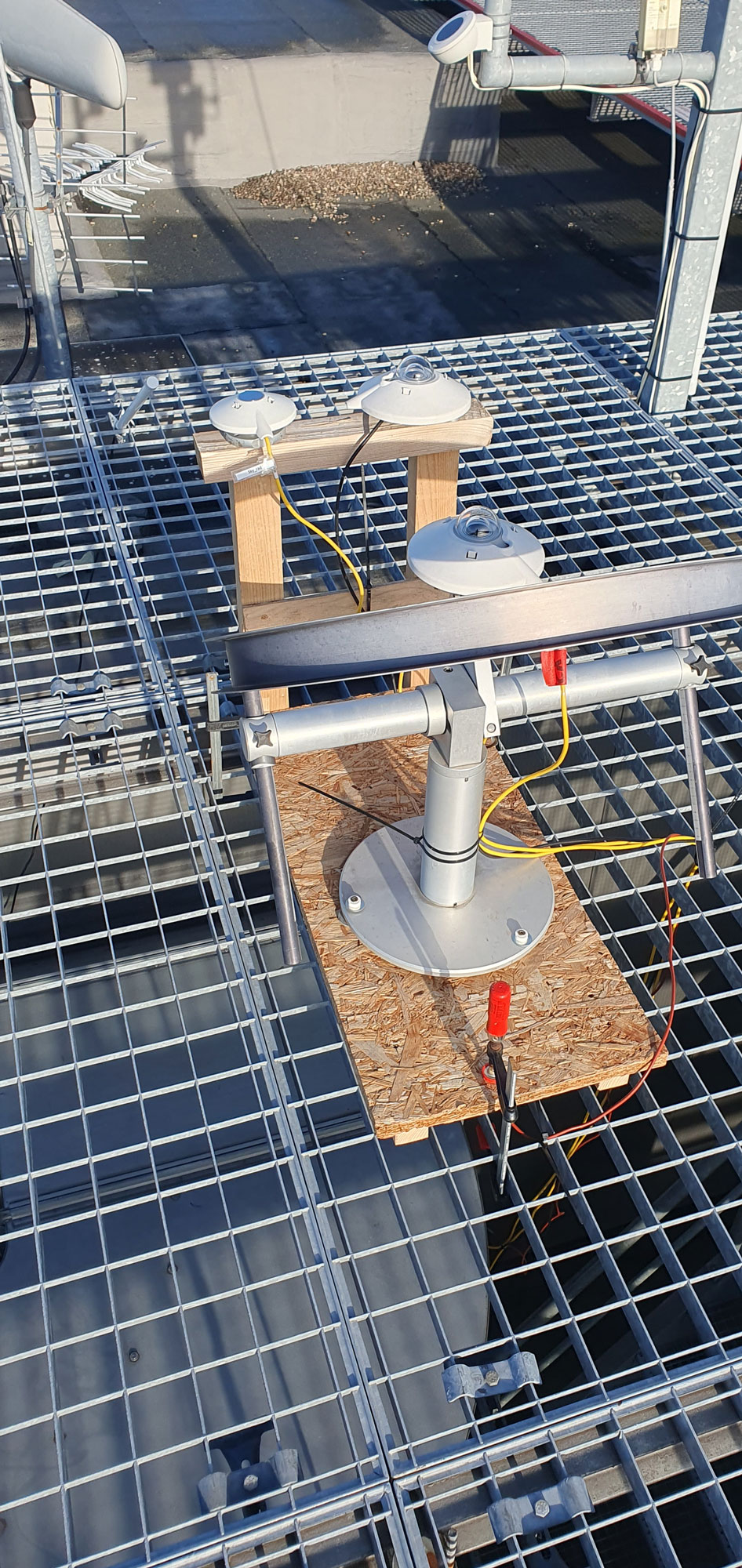
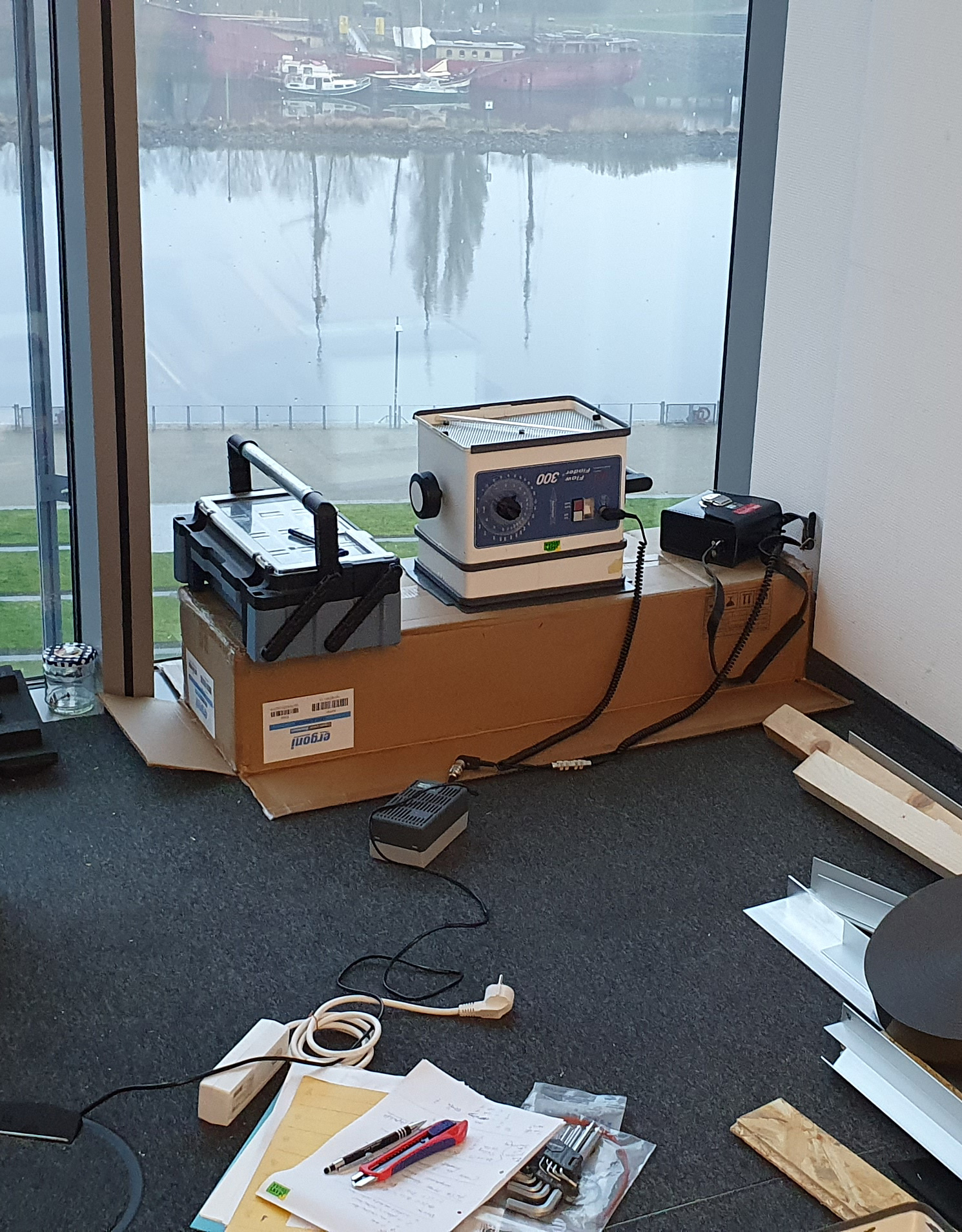
Transsolar supported the project by planning, conducting, and evaluating the measurement campaign, as well as by comparing the measurement results with previously generated thermal simulations. Among other parameters, air and operative temperatures, surface and glazing temperatures, solar radiation at the facade level, and air volume flows were recorded. In addition, meteorological data were collected on the roof of the building.
The measurements clearly confirm the simulations: The ACT facade reduces both the operative temperature and the air temperature in the measurement room by up to 4 K compared to the reference room when solar radiation is present. This applies to periods with both diffuse and high direct solar radiation in winter and spring. In addition to the significant improvement in thermal comfort, this results in a noticeable reduction in cooling energy demand.
Furthermore, the measurement data revealed potential for optimization in system operation. For example, a faulty control of the supply air setpoint temperature was identified, which led to unnecessary energy consumption during nighttime hours without sustainably improving comfort during the day.
The Wesertower demonstrates how the combination of simulation, measurement, and targeted facade retrofitting can yield reliable insights into the effectiveness of climate-oriented measures in existing buildings. The project exemplifies Transsolar’s approach of taking a holistic view of comfort, energy efficiency, and operational safety, and developing solutions that are effective not only on paper but also in real-world operation.