"Beyond Lux(e), Towards Ecotopia", Luxembourg
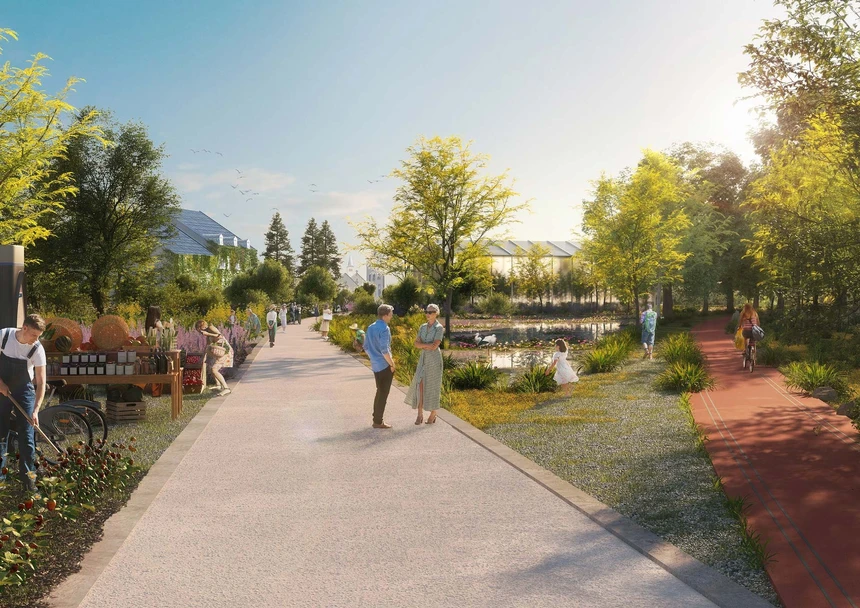
The consultation process “Luxembourg in Transition” aimed to develop concrete strategies for the sustainable transformation of Luxembourg and to demonstrate that profound societal and spatial change is necessary, feasible, and desirable. At its core was the vision of a zero CO₂ emissions, resilient, and diverse society, supported by architectural, urban, and landscape‑based concepts and by the integration of spatial and ecological expertise.
MVRDV, in collaboration with Drift for Transition, H+N+S, Goudappel Coffeng, Deltares, ITC (University of Twente), and Transsolar, developed a comprehensive strategy outlining pathways toward climate neutrality by 2050. Transsolar contributed as part of this interdisciplinary team, which addressed spatial development, energy, landscape, and society at a territorial scale. The work was framed by the approach “Beyond Lux(e), Towards Ecotopia,” proposing Luxembourg as an adaptable and future‑oriented region. A total of four teams were commissioned by the Luxembourg government to address this issue.
Transsolar analyzed the energy status quo (as of 2016), identifying that 89% of energy generation relied on non‑renewable sources. Based on this assessment, the study outlined key potentials and transformation pathways required to achieve the goal of a society powered entirely by renewable energy by 2050. Energy systems, settlement structures, and landscape were examined as interrelated components of a single spatial and ecological framework.
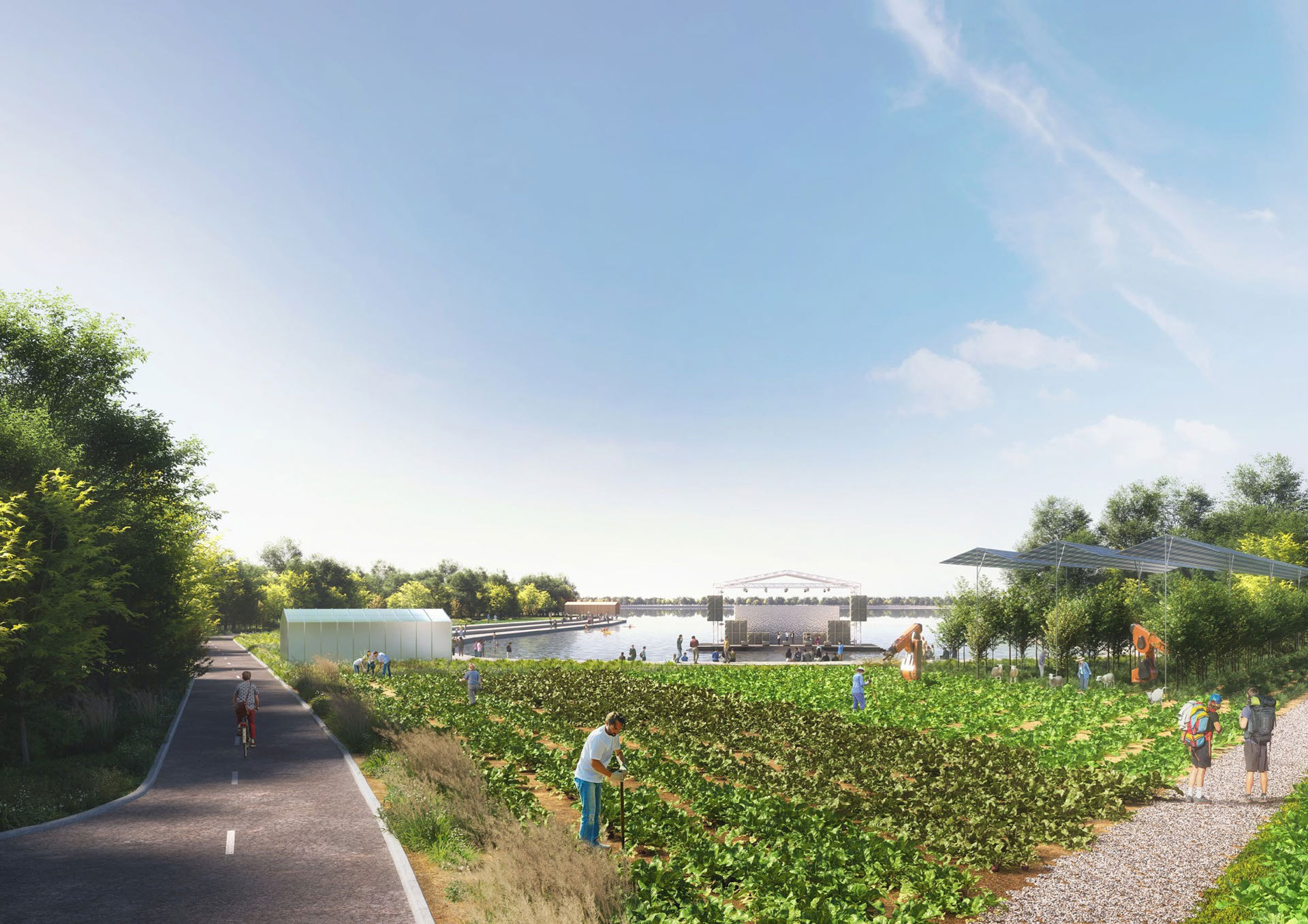
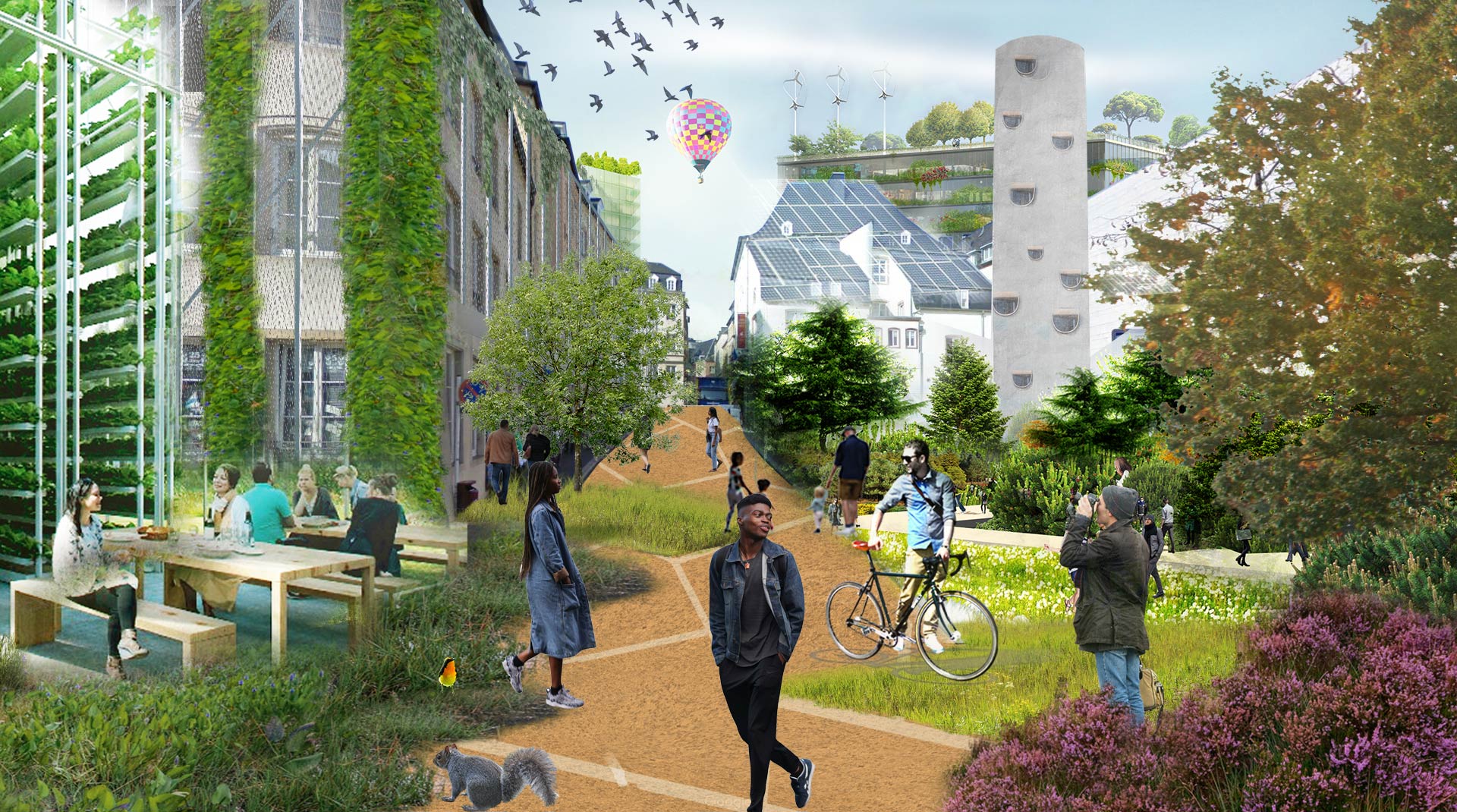
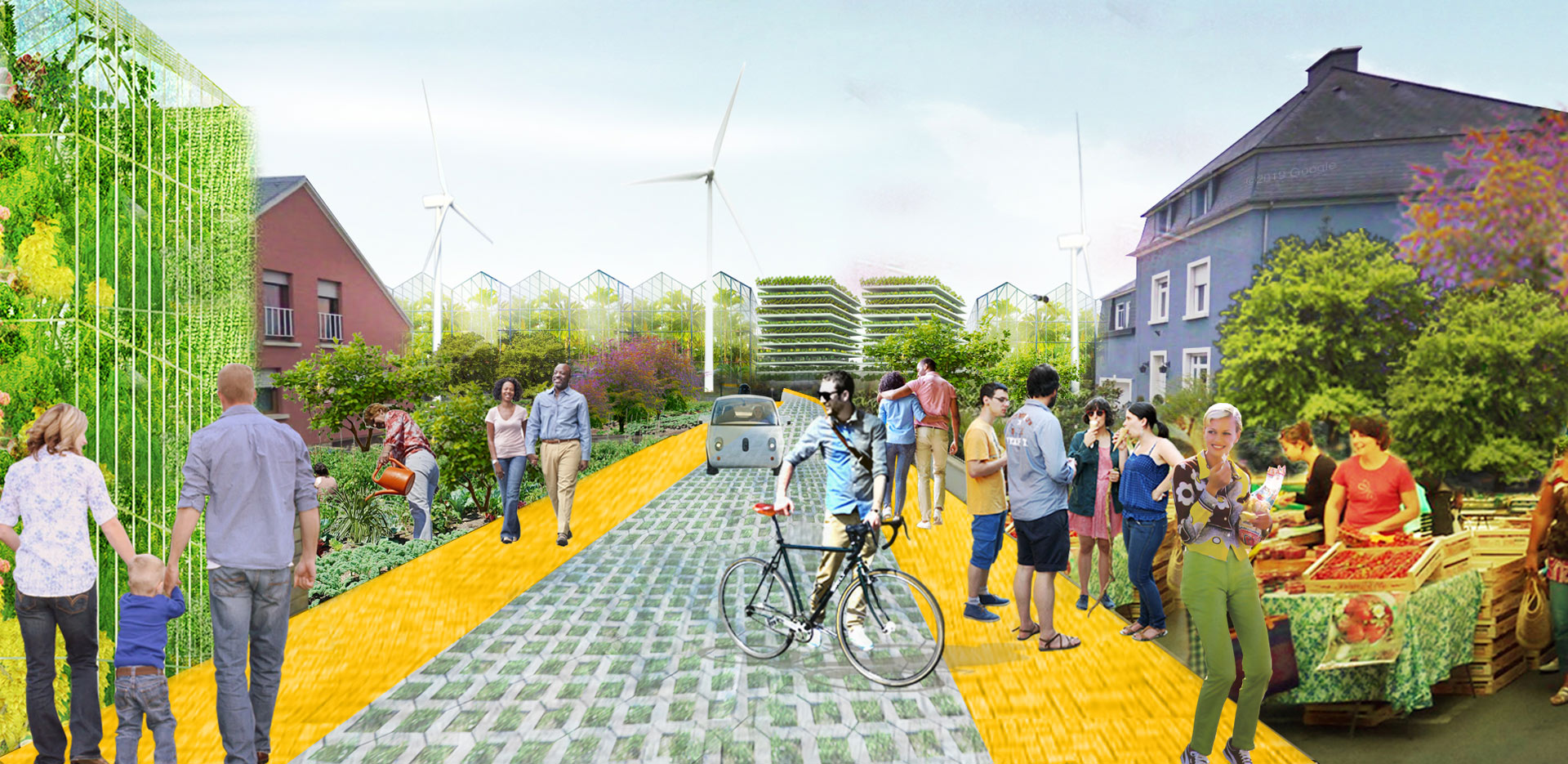
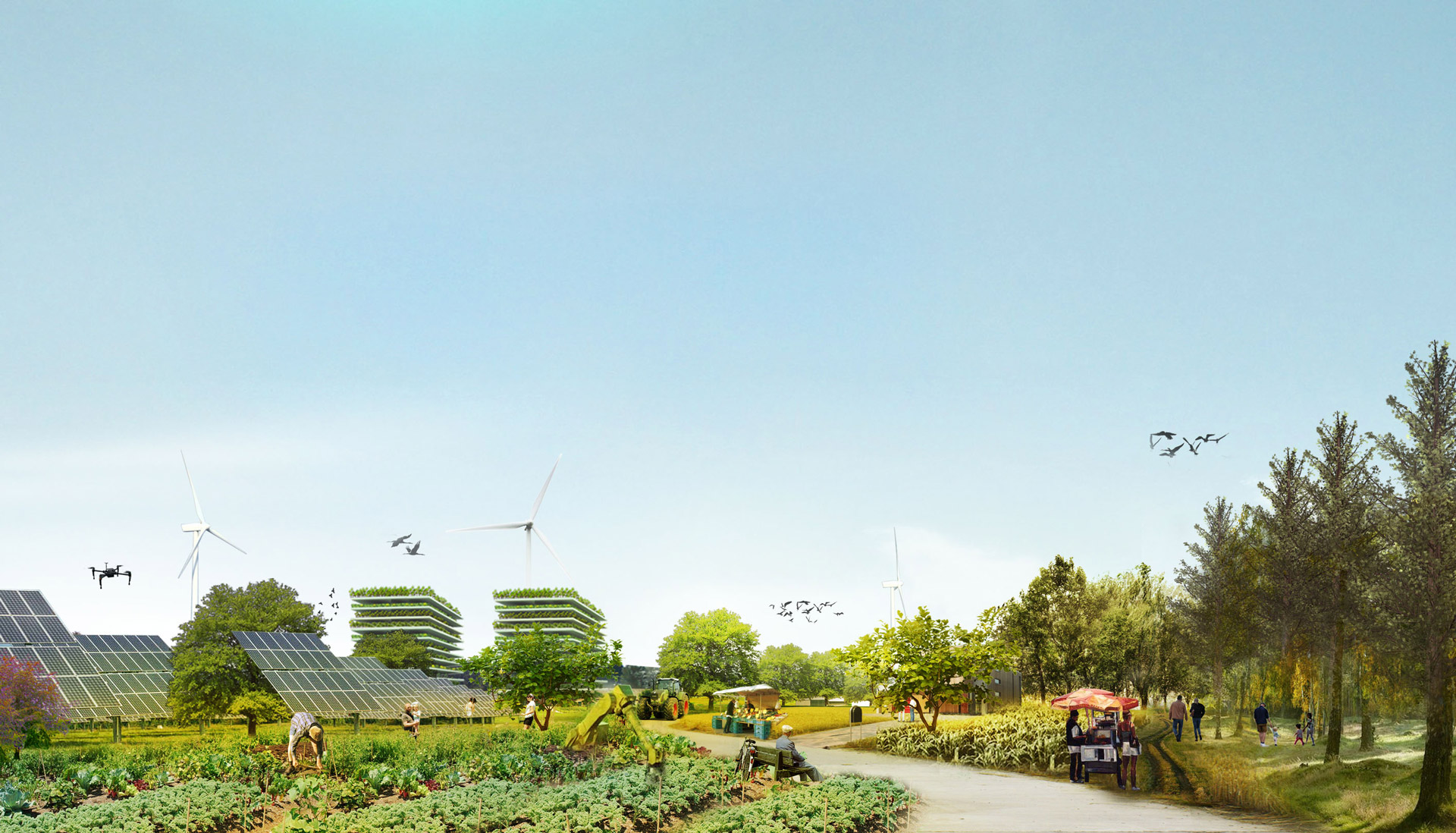
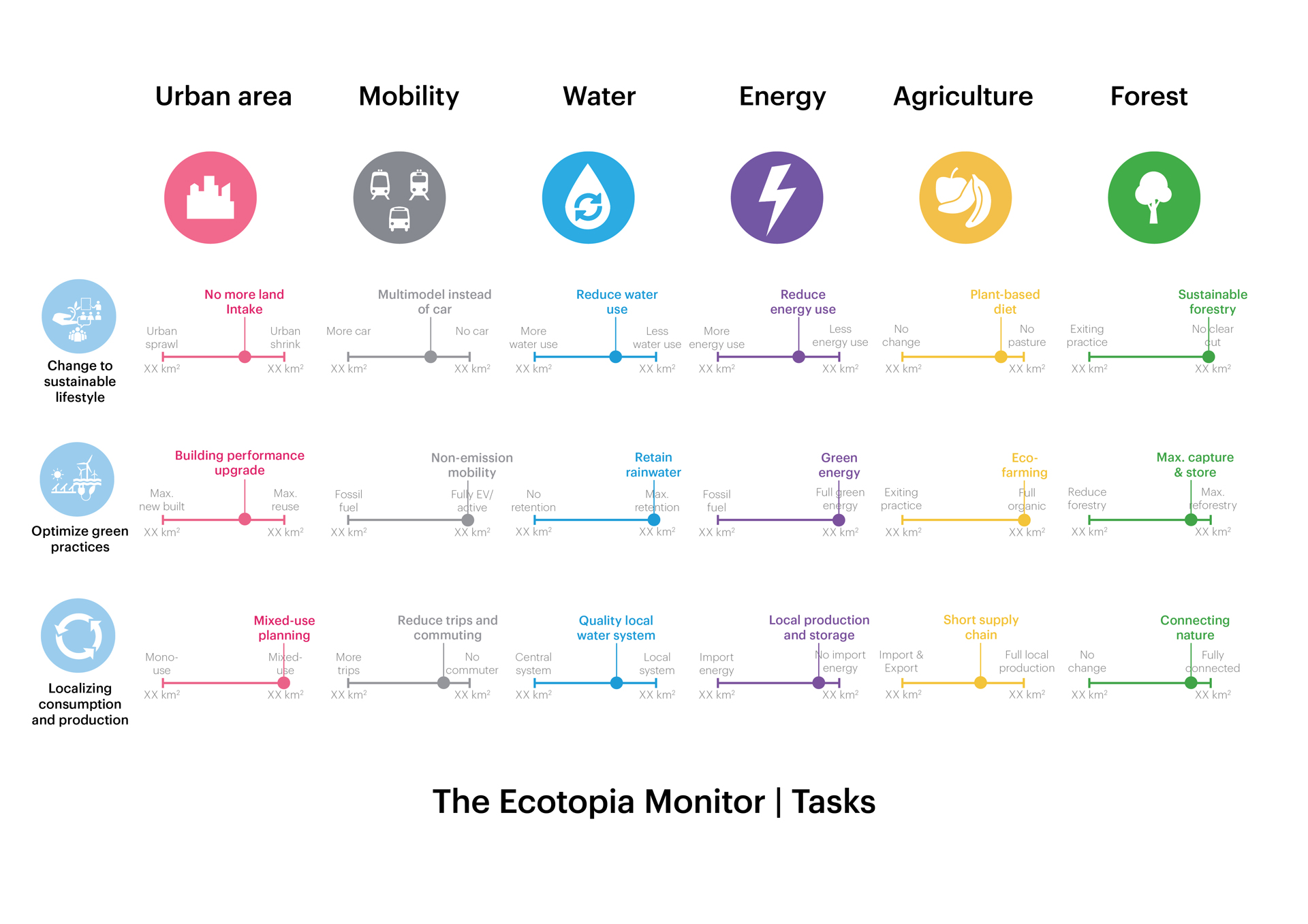
The overall strategy differentiates between urban and landscape contexts. In urban areas, themes such as land use, demographics, housing, energy, and slow mobility were explored. The landscape perspective focused on nature, water, agriculture, food systems, and energy, emphasizing circular agriculture, restoration of natural resources, biodiversity, water management, and resilience strategies. Spatial designs for the region and for exemplary areas illustrate these concepts.
A third focus addressed the development of a sustainable economic system encompassing mobility, workplaces, and production. Scenarios were developed for regional mobility, digital infrastructure, and new work models that support proximity, reduce congestion, and enable carbon‑free, energy‑producing work environments.
The reports of all four finalist teams are being further pursued by the Luxembourg government as strategic recommendations. Further information on the consultation process and its outcomes is available on the official Luxembourg in Transition Website >