Bavarian Red Cross Campus “KISS”, Munich, Germany
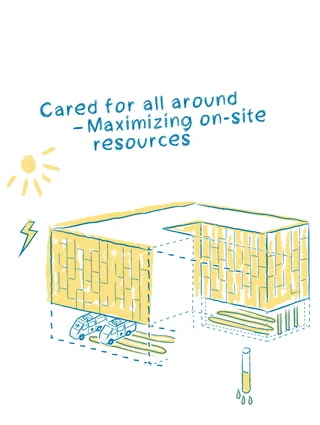
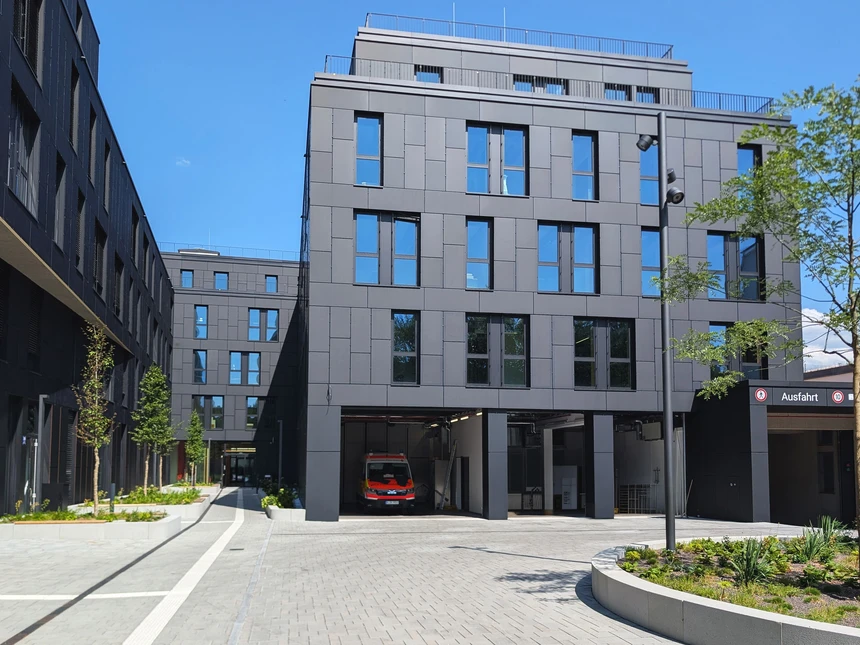
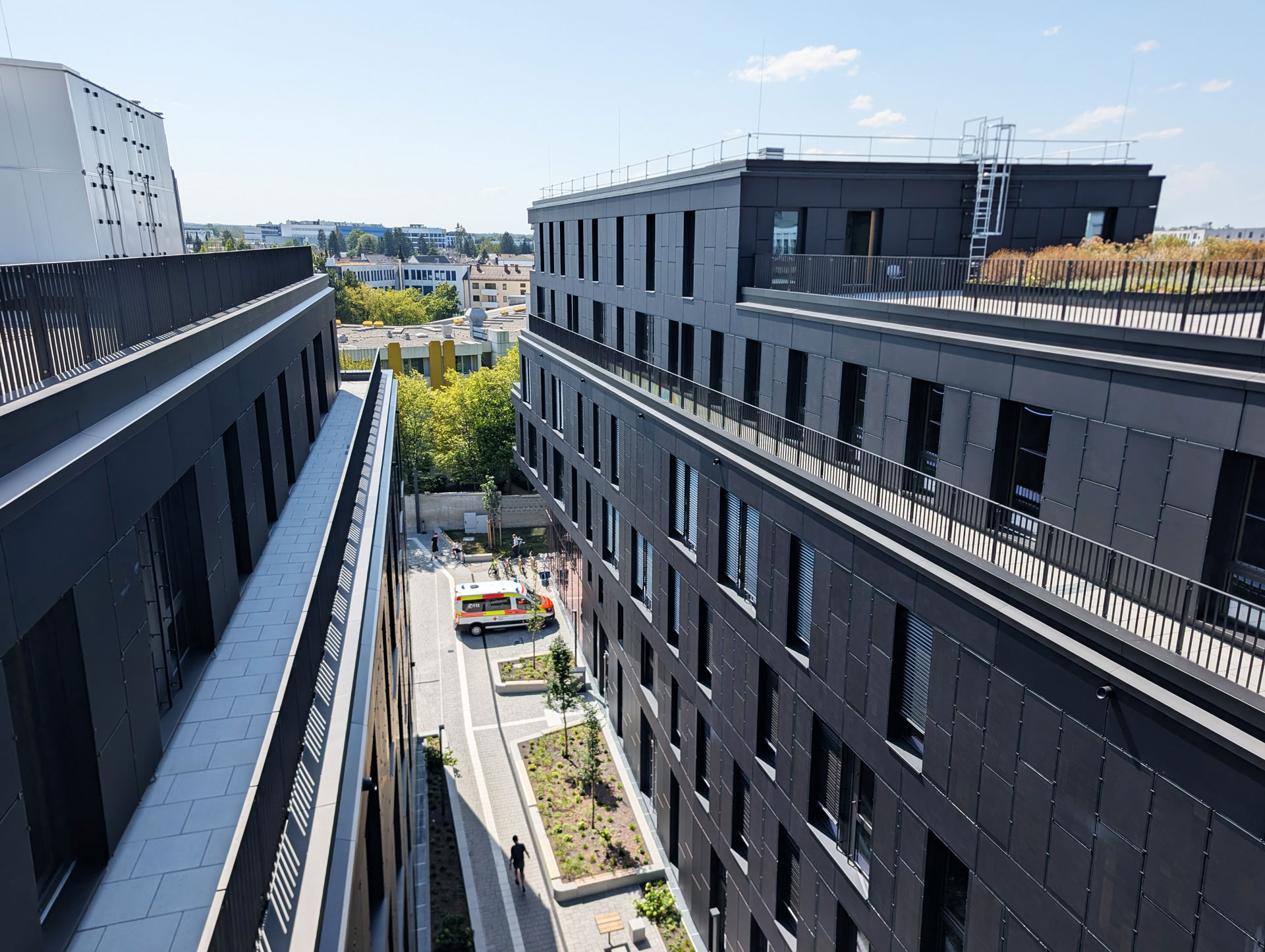
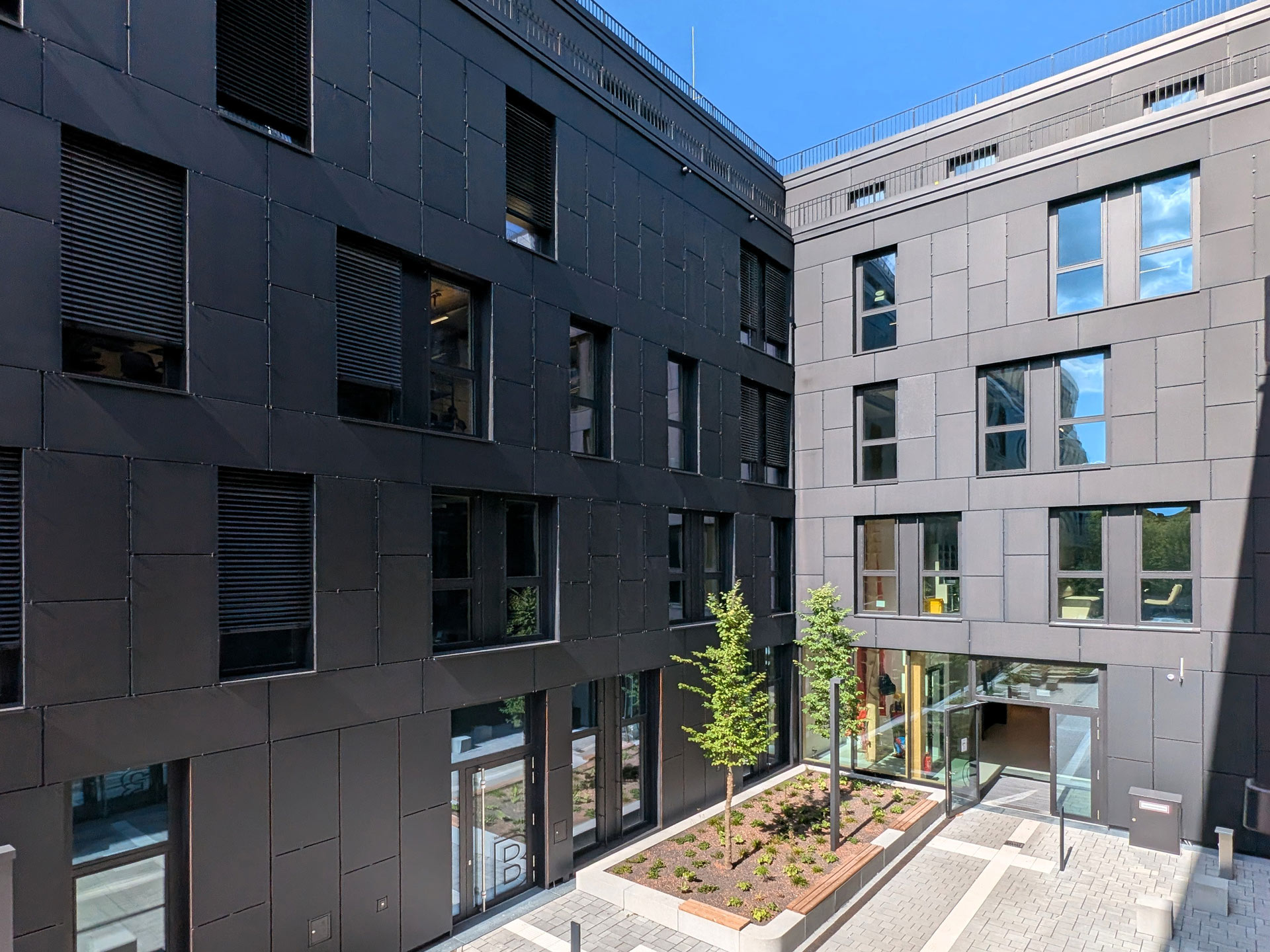
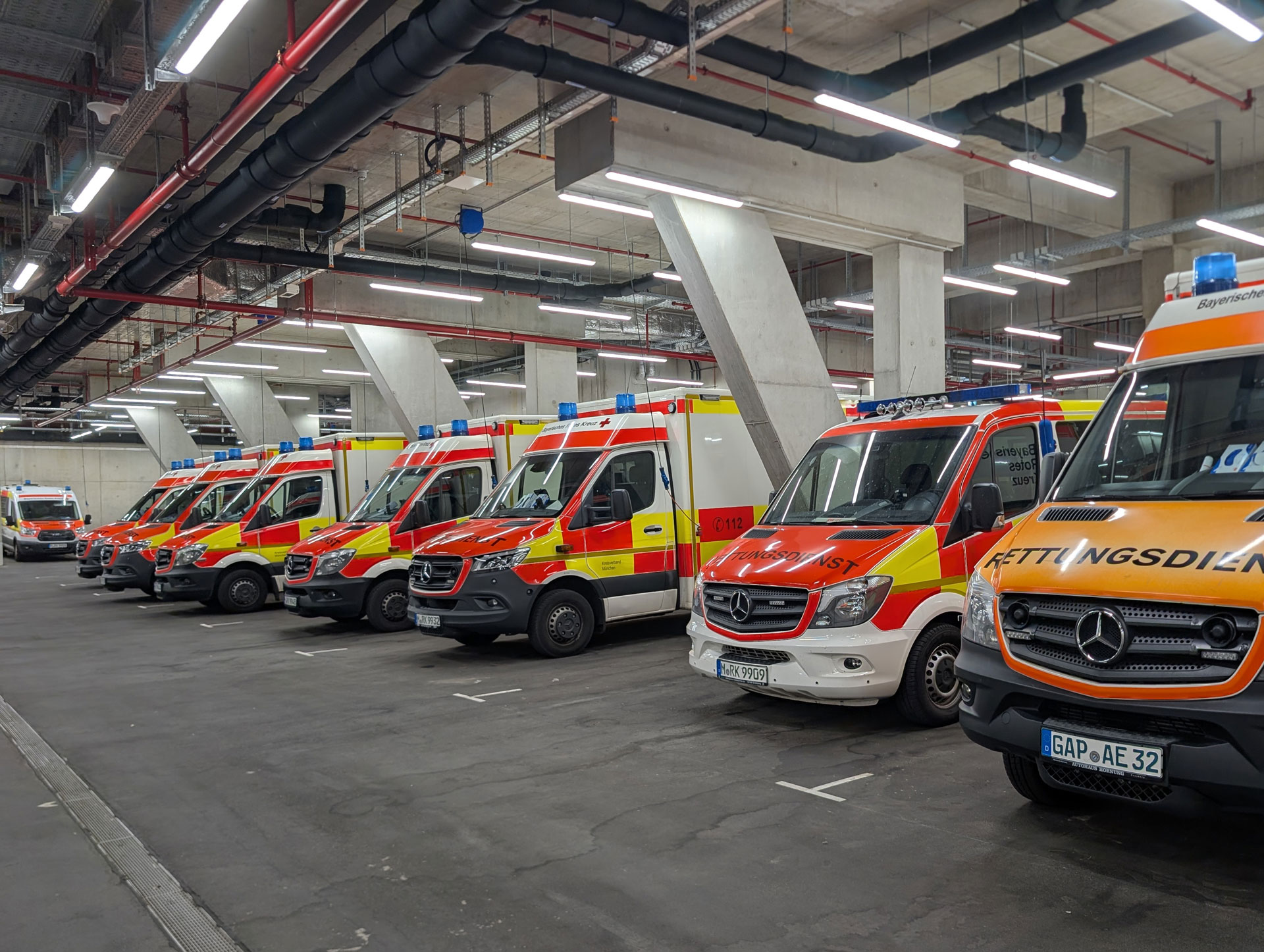
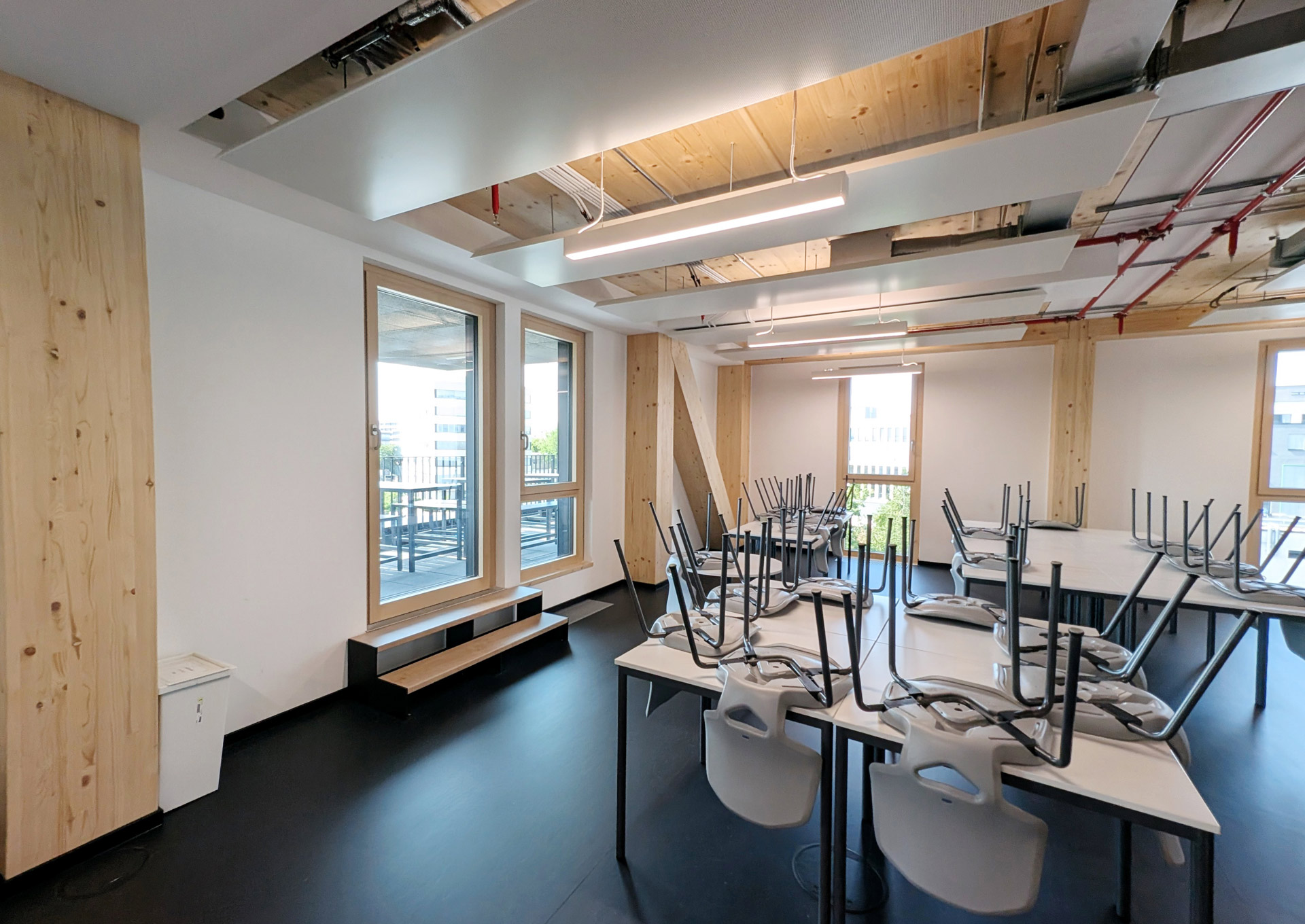
The new KISS (“Kistlerhofstraße Sustainable Space”) building is a seven-story, U-shaped structure. It brings together a wide variety of functions under one roof. In addition to the Bavarian Red Cross’s main emergency station, the facility houses, among other things, the blood donation service, mountain and water rescue services, the vocational school for emergency medical technicians and nursing staff, and administrative offices. A three-story underground parking garage provides space for emergency vehicles, with one of the levels—featuring a ceiling height of four meters—designed to accommodate ambulances.
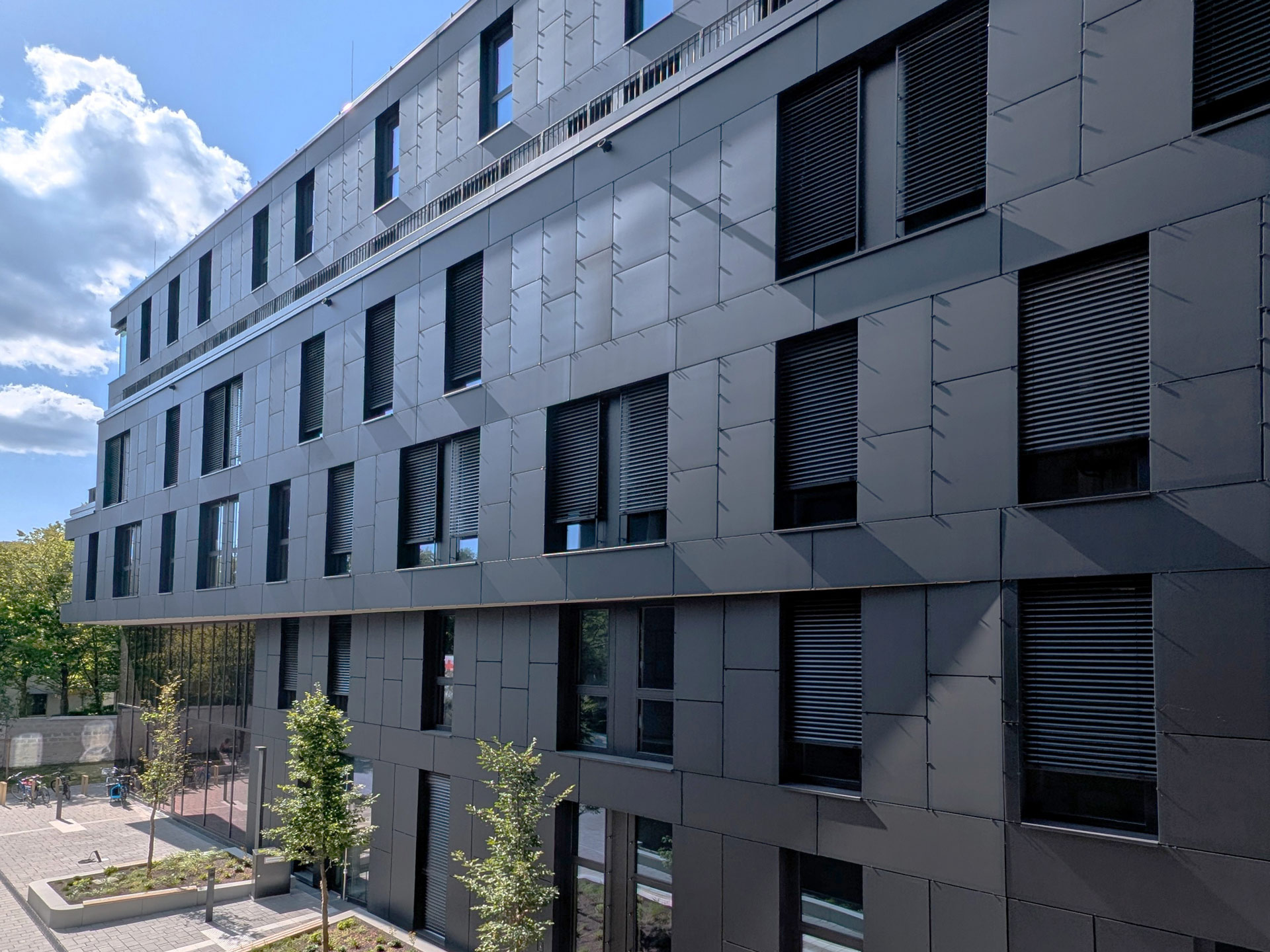
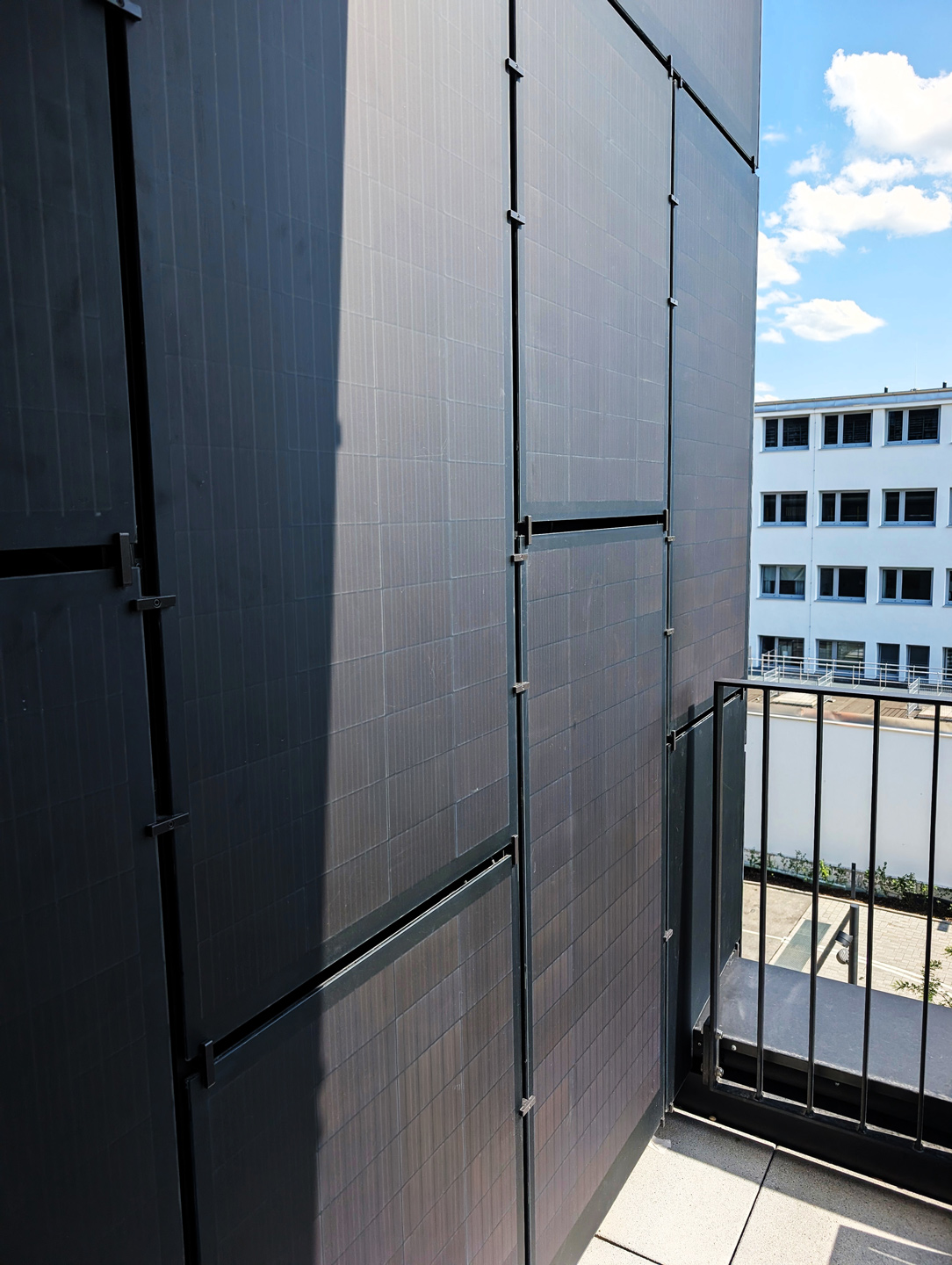
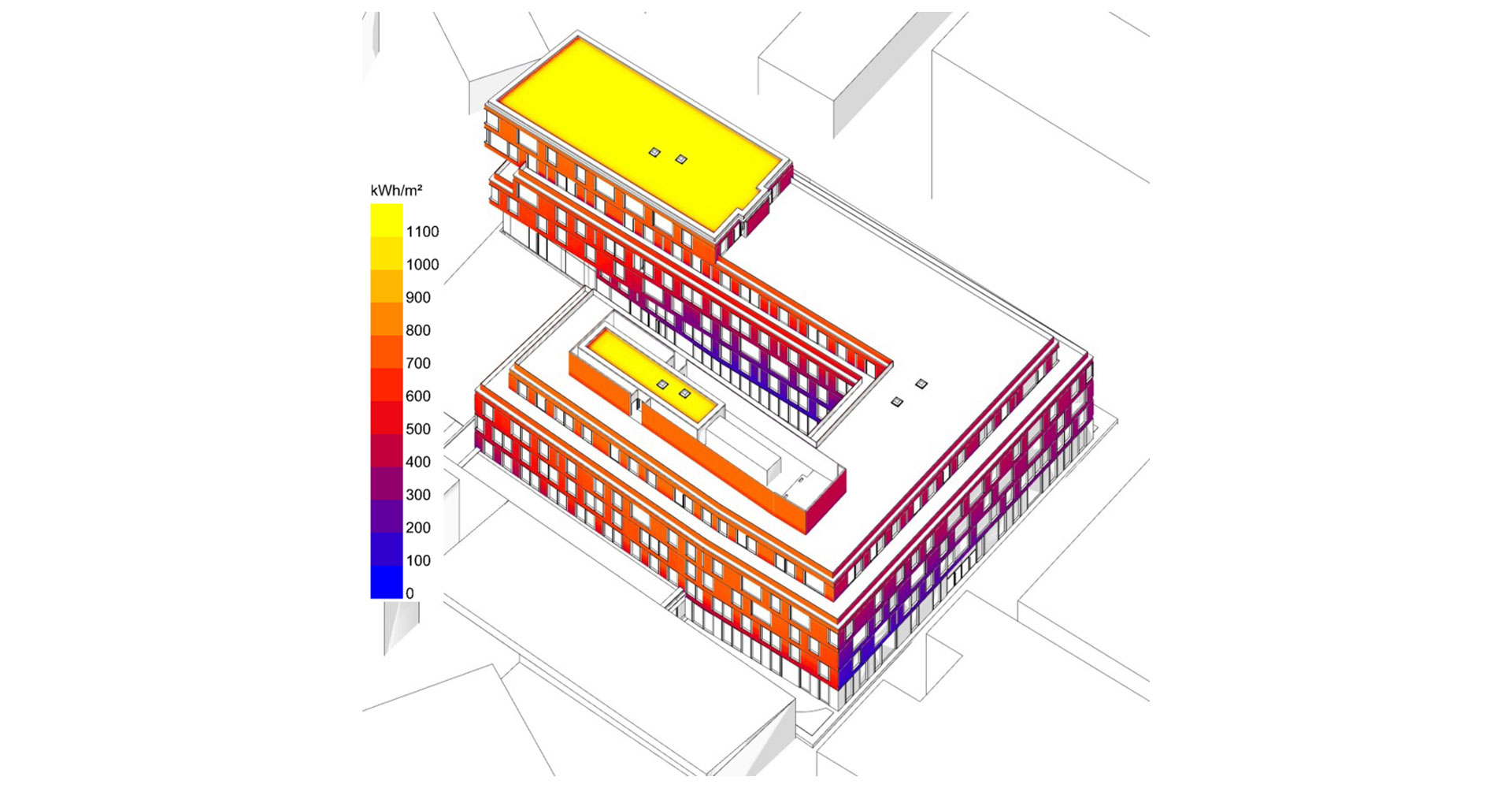
A key component of the energy and climate concept is local electricity generation via photovoltaics, which are integrated both on the roof and extensively into the facades. This allows the building envelope itself to be used for energy generation and contributes to reducing CO₂ emissions during operation.
The photovoltaic system was considered an integral part of the overall energy and climate concept. Based on detailed building simulations, the energy supply and PV systems were analyzed together and optimized to achieve the lowest possible carbon footprint. The carbon footprint demonstrates the potential of the integrated photovoltaic system: approximately 50% of the building’s CO₂ emissions can be offset. When user-related electricity consumption is also taken into account, the photovoltaic system covers about 23% of total emissions.
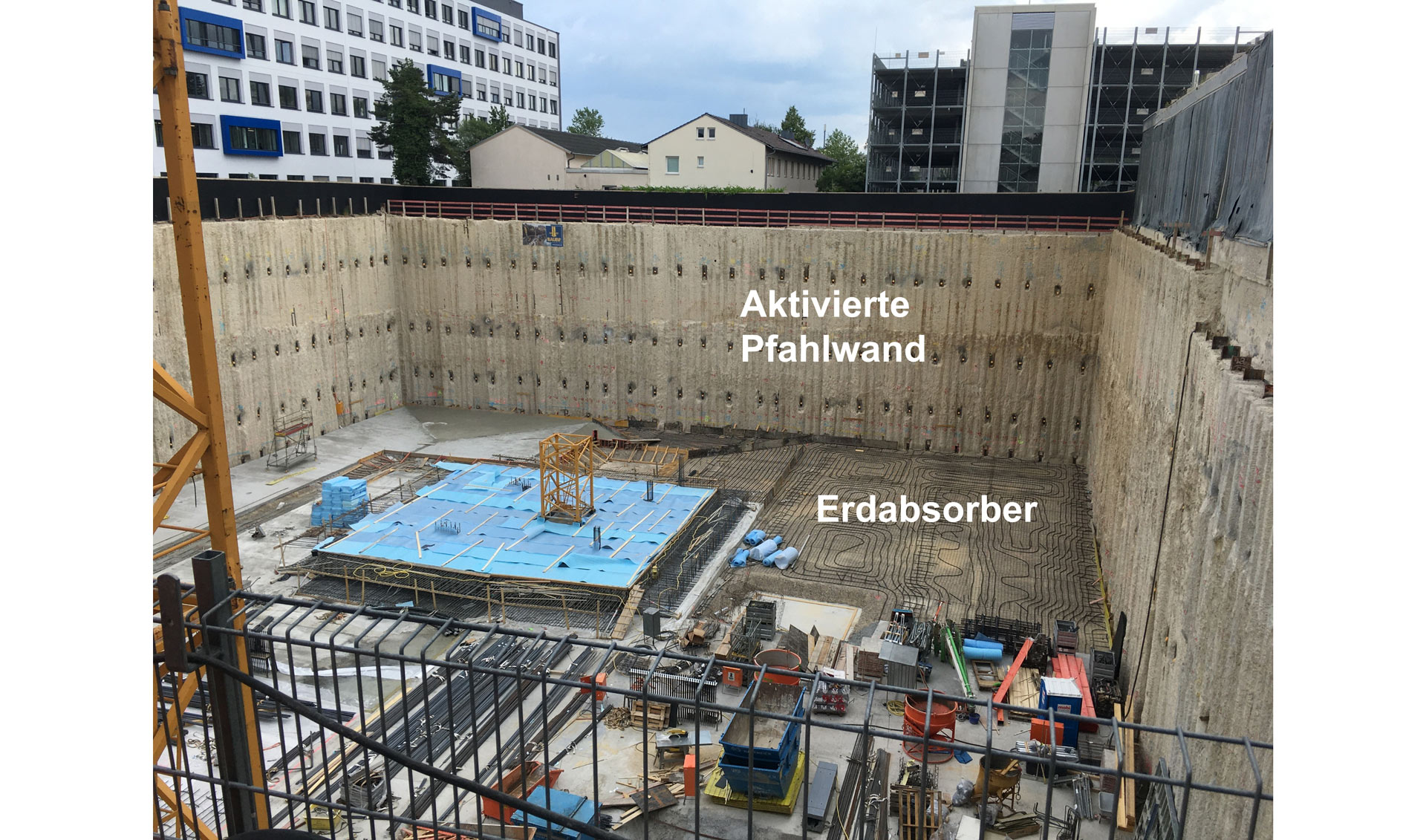
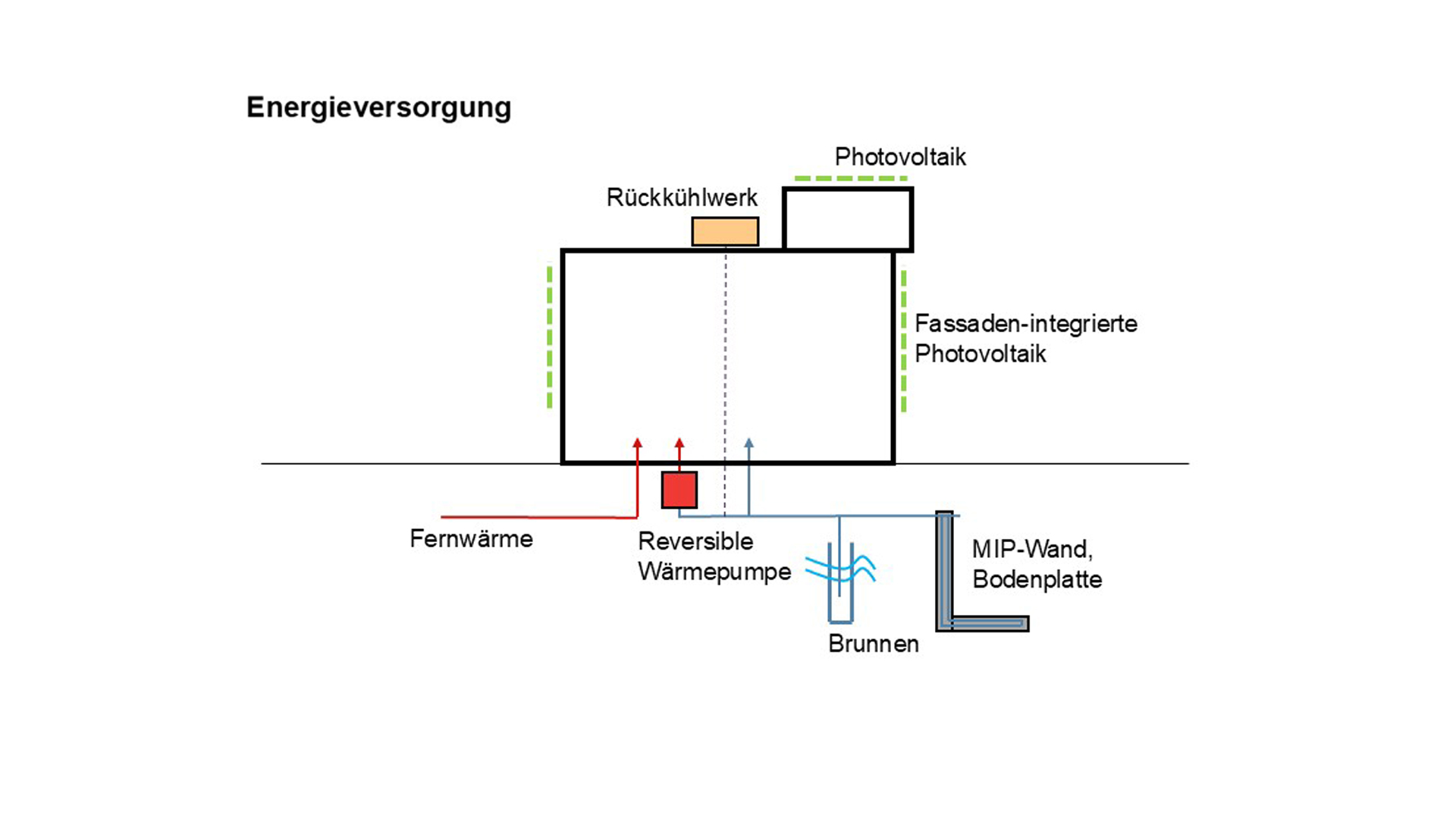
In addition to photovoltaics, the energy concept utilizes local energy sources such as groundwater and geothermal heat via thermally activated MIP walls and the floor slab. Reversible heat pumps tap into these sources to provide heating and cooling. The system is supplemented by free cooling and the use of waste heat within the building. District heating is used to cover peak loads and to provide high-temperature heat.
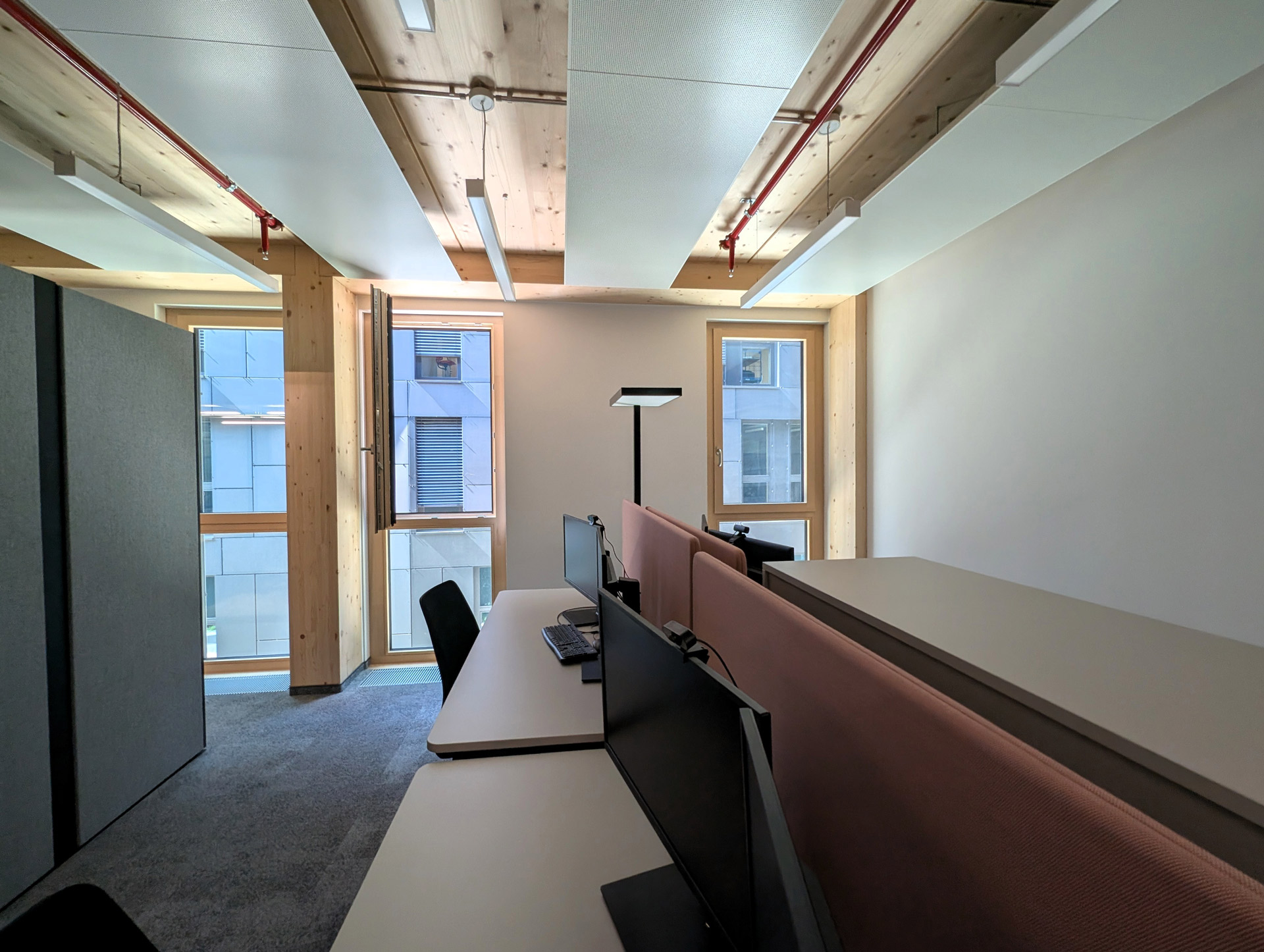
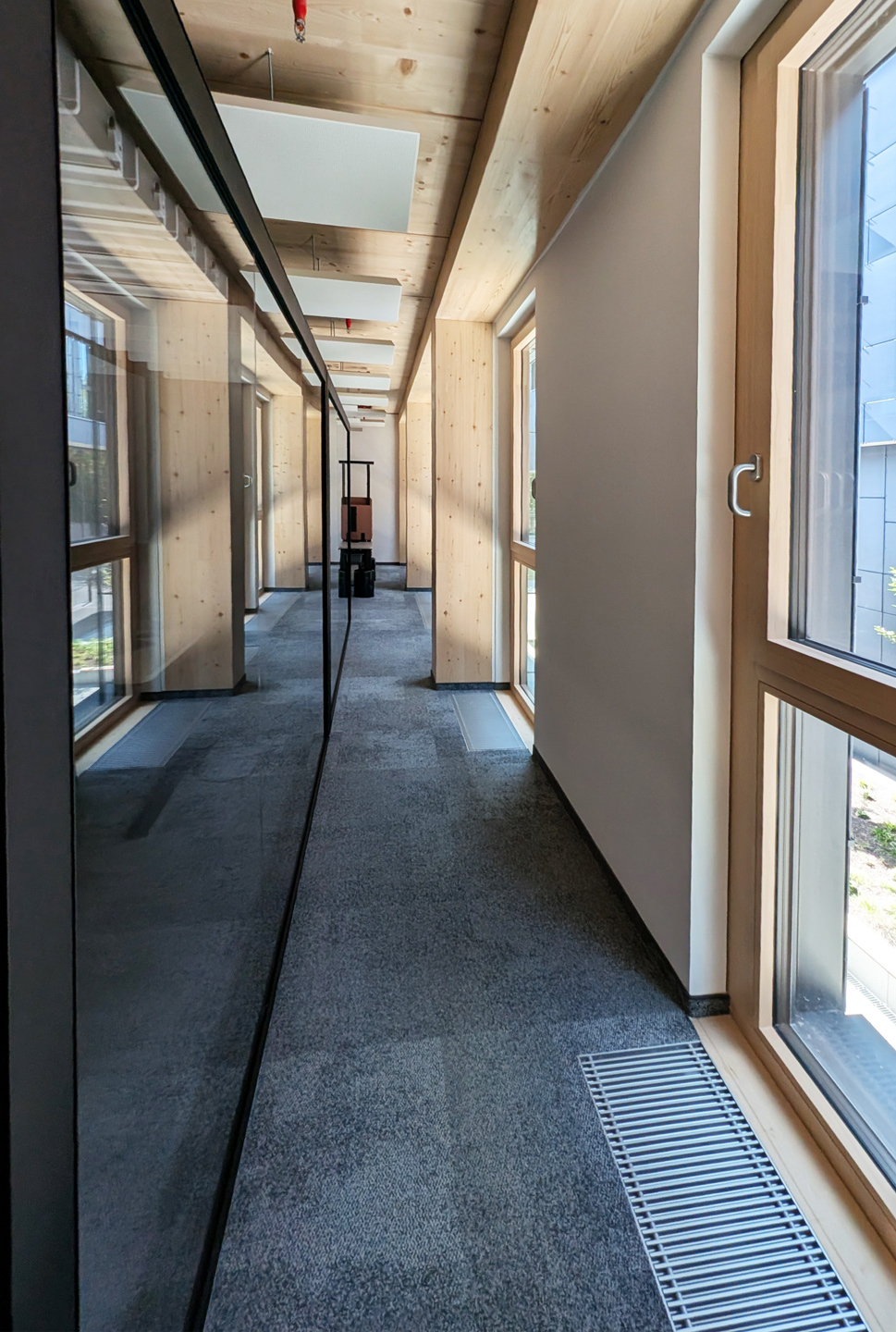
The climate control concept also responds to the varying requirements of the different areas of use. In the offices, a basic ventilation system using outdoor air inlets combines energy-efficient air supply with the option of individual window ventilation. Training, meeting, practice, and laboratory areas are mechanically ventilated due to their higher requirements. Heating and cooling systems, as well as an automatically controlled external sunshade, complement the concept and ensure comfortable indoor conditions.
With the goal of keeping the building’s ecological footprint as small as possible, Transsolar worked with the design team to develop an energy-efficient and resource-conserving climate and energy concept. Throughout the project, the various strategies and measures were analyzed and optimized using detailed building simulations to assess energy demand and CO₂ emissions. With certifications under DGNB Platinum, WELL Gold, and WireScore Platinum, the building meets the highest standards in the areas of sustainability, health, and digital infrastructure.
2024 ICONIC AWARDS: Winner – Innovative Material; Winner – Corporate
2024 German Design Award „Excellent Architecture – Eco Design“